Best Book Lists
The 25 Best Nonfiction Books of the 21st Century
Quick answer
The best nonfiction book of the 21st century so far is The Warmth of Other Suns by Isabel Wilkerson (2010), the story of six million Black Americans who left the South, told through three people you will not forget. It is history that reads like a novel, and it changed how a generation understands the country. Close behind: The Emperor of All Maladies (2010) for science, Educated (2018) for memoir, Thinking, Fast and Slow (2011) for ideas and Say Nothing (2018) for narrative journalism. Below are 25 books from 2000 to 2025, grouped by subject.
As an Amazon Associate, we earn from qualifying purchases.
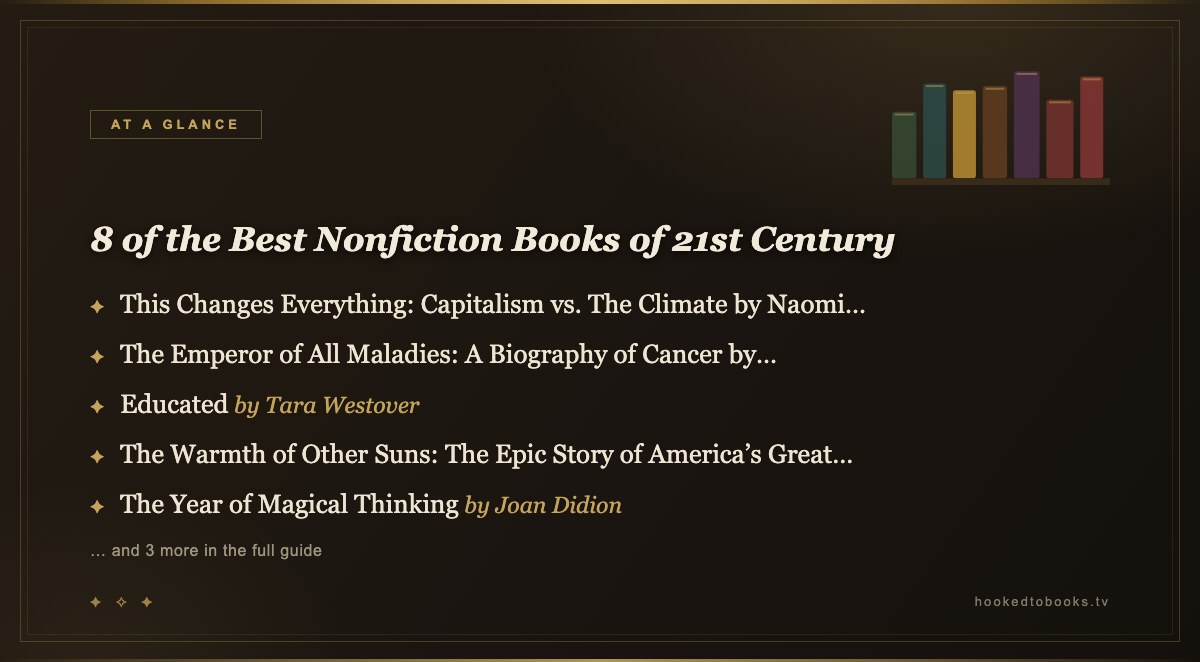
The Best Nonfiction Books of the 21st Century at a Glance
| # | Title | Author | Year | Subject |
|---|---|---|---|---|
| 1 | The Warmth of Other Suns | Isabel Wilkerson | 2010 | History |
| 2 | Postwar | Tony Judt | 2005 | History |
| 3 | Sapiens | Yuval Noah Harari | 2011 | History |
| 4 | Killers of the Flower Moon | David Grann | 2017 | History |
| 5 | Say Nothing | Patrick Radden Keefe | 2018 | History |
| 6 | The Emperor of All Maladies | Siddhartha Mukherjee | 2010 | Science |
| 7 | The Immortal Life of Henrietta Lacks | Rebecca Skloot | 2010 | Science |
| 8 | The Sixth Extinction | Elizabeth Kolbert | 2014 | Science |
| 9 | Being Mortal | Atul Gawande | 2014 | Science |
| 10 | The Omnivore's Dilemma | Michael Pollan | 2006 | Science |
| 11 | The New Jim Crow | Michelle Alexander | 2010 | Society |
| 12 | Evicted | Matthew Desmond | 2016 | Society |
| 13 | Nickel and Dimed | Barbara Ehrenreich | 2001 | Society |
| 14 | Behind the Beautiful Forevers | Katherine Boo | 2012 | Society |
| 15 | Nothing to Envy | Barbara Demick | 2009 | Society |
| 16 | Educated | Tara Westover | 2018 | Memoir |
| 17 | The Year of Magical Thinking | Joan Didion | 2005 | Memoir |
| 18 | Between the World and Me | Ta-Nehisi Coates | 2015 | Memoir |
| 19 | When Breath Becomes Air | Paul Kalanithi | 2016 | Memoir |
| 20 | Fun Home | Alison Bechdel | 2006 | Memoir |
| 21 | Thinking, Fast and Slow | Daniel Kahneman | 2011 | Ideas and money |
| 22 | The Big Short | Michael Lewis | 2010 | Ideas and money |
| 23 | Bad Blood | John Carreyrou | 2018 | Ideas and money |
| 24 | The Looming Tower | Lawrence Wright | 2006 | Ideas and money |
| 25 | Invisible Women | Caroline Criado Perez | 2019 | Ideas and money |
How We Chose
Every book was first published between 2000 and 2025. We looked for books that did at least one of three things: changed a public conversation (The New Jim Crow, Evicted), set a new standard for how a kind of nonfiction is written (Say Nothing, Fun Home), or are still being handed from reader to reader years later because they are simply that good (Educated, The Year of Magical Thinking). Major prizes counted as a signal, not a requirement. We capped the list at 25 and spread it across subjects so you can find your next read whatever you are in the mood for. Where a title is a famous pick that we think has aged less well, we say so.
History
1. The Warmth of Other Suns by Isabel Wilkerson (2010)
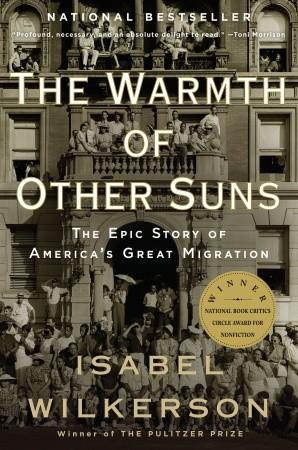 What it is about: the Great Migration, when roughly six million Black Southerners moved north and west between about 1915 and 1970. Wilkerson, a Pulitzer-winning journalist, follows three of them: a sharecropper's wife who left Mississippi for Chicago, a fruit picker who fled Florida for Harlem, and a surgeon who drove from Louisiana to Los Angeles. Why it lasts: it turns a demographic shift into three lives you care about, and it explains a great deal about modern American cities. It won the National Book Critics Circle Award. Where to start: just begin; the three stories alternate, so it reads like a novel.
2. Postwar by Tony Judt (2005)
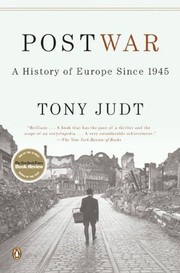 What it is about: Europe from 1945 to the early 2000s, east and west, from the rubble to the European Union. Why it lasts: no other single volume covers so much so clearly, and Judt's judgments are sharp enough to argue with. It was a Pulitzer finalist. Where to start: it is long (about 900 pages), so read it in its four parts, one at a time.
3. Sapiens by Yuval Noah Harari (2011)
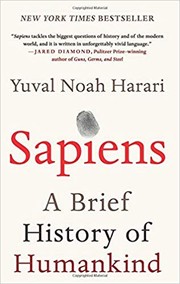 What it is about: the whole history of our species, built around a few big turns: the cognitive revolution, farming, money and empire, and science. Published in Hebrew in 2011 and in English in 2014. Why it lasts: it gave millions of readers a frame for thinking about humanity at scale. Specialists have challenged some of its broad claims, so treat it as a provocative essay rather than a textbook. Where to start: Part One; if you love it, the sequels are optional.
4. Killers of the Flower Moon by David Grann (2017)
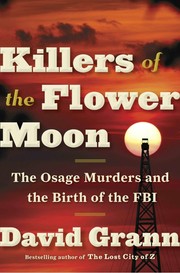 What it is about: in 1920s Oklahoma, members of the Osage Nation, rich from oil under their land, are murdered one after another, and the young FBI is drawn into the case. Why it lasts: it is a gripping true-crime story that widens into an indictment of a whole society, and its final section uncovers how much bigger the conspiracy was. Martin Scorsese adapted it as a film in 2023. Where to start: read it before watching the film.
5. Say Nothing by Patrick Radden Keefe (2018)
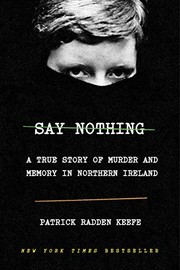 What it is about: the 1972 abduction of Jean McConville, a mother of ten in Belfast, and the people on all sides of Northern Ireland's Troubles who lived with the secret. Why it lasts: it reads like a thriller and is scrupulous with facts, and it shows how political violence follows people for the rest of their lives. It won the National Book Critics Circle Award. Where to start: front to back; Keefe saves a revelation for the end.
Science and Medicine
6. The Emperor of All Maladies by Siddhartha Mukherjee (2010)
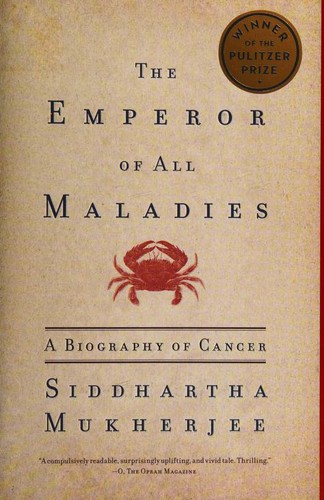 What it is about: a "biography" of cancer from ancient Egypt to modern targeted drugs, told by an oncologist through doctors, patients and the long war on the disease. Why it lasts: it explains hard science with real storytelling, and it is honest about failure as well as progress. It won the 2011 Pulitzer Prize for General Nonfiction. Where to start: this book, then Mukherjee's The Gene (2016).
7. The Immortal Life of Henrietta Lacks by Rebecca Skloot (2010)
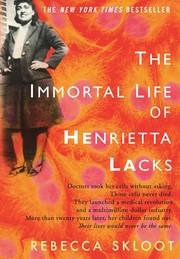 What it is about: the Black tobacco farmer whose cancer cells, taken without her knowledge in 1951, became the HeLa line used in countless medical advances, and her family, who did not learn about it for decades. Why it lasts: it made medical consent and race in research a dinner-table subject. Where to start: it suits readers who do not normally pick up science books.
8. The Sixth Extinction by Elizabeth Kolbert (2014)
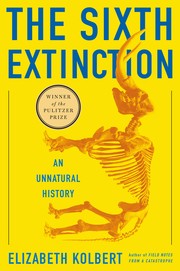 What it is about: the case that humans are causing the sixth mass extinction in Earth's history, told through visits to scientists studying frogs, corals, bats and more. Why it lasts: it is the clearest book on biodiversity loss for general readers, and it won the 2015 Pulitzer Prize for General Nonfiction. Where to start: read chapter by chapter; each species is its own essay.
9. Being Mortal by Atul Gawande (2014)
 What it is about: a surgeon on how modern medicine handles old age and dying, and how often it gets it wrong by treating the disease instead of asking what the person wants. Why it lasts: it changes how families talk about end-of-life care. Where to start: read it before you need it, ideally with your parents.
10. The Omnivore's Dilemma by Michael Pollan (2006)
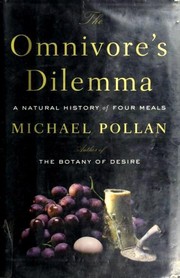 What it is about: Pollan follows four meals back to their sources: industrial corn, big organic, a small grass-based farm, and food he hunted and gathered himself. Why it lasts: it reshaped how a generation thinks about where food comes from. Where to start: the corn section is the most eye-opening.
Society and Justice
11. The New Jim Crow by Michelle Alexander (2010)
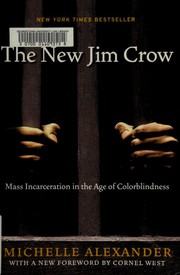 What it is about: a civil rights lawyer argues that mass incarceration and the war on drugs created a new system of racial control in the United States. Why it lasts: it moved criminal justice reform into the mainstream and is still assigned in classrooms. Where to start: the introduction lays out the full argument; then pair it with Evicted.
12. Evicted by Matthew Desmond (2016)
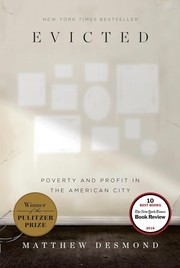 What it is about: a sociologist follows eight Milwaukee families and two landlords through the cycle of eviction. Why it lasts: it showed that eviction is a cause of poverty, not just a symptom, and it won the 2017 Pulitzer Prize for General Nonfiction. Where to start: the main narrative first; the notes at the back explain how he did the research.
13. Nickel and Dimed by Barbara Ehrenreich (2001)
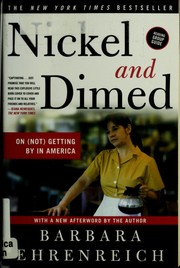 What it is about: Ehrenreich worked as a waitress, hotel maid, house cleaner and Walmart associate to see whether she could live on low-wage pay. She could not. Why it lasts: it is short, funny and furious, and the math still lands. Where to start: a single weekend read.
14. Behind the Beautiful Forevers by Katherine Boo (2012)
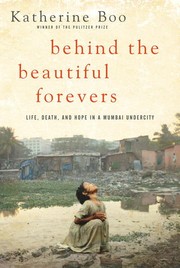 What it is about: the residents of Annawadi, a slum beside Mumbai's airport, especially a teenage garbage trader whose family is caught up in an accusation. Boo spent years reporting it. Why it lasts: it reads like a novel but is entirely reported, and it won the National Book Award. Where to start: front to back.
15. Nothing to Envy by Barbara Demick (2009)
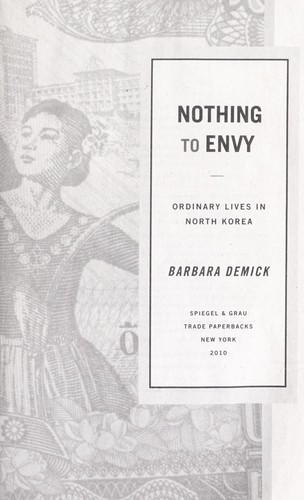 What it is about: six North Koreans from the city of Chongjin, through famine and eventual defection, built from interviews with people who escaped. Why it lasts: it is still the best window into ordinary life inside the country. Where to start: the opening love story pulls you in fast.
Memoir
16. Educated by Tara Westover (2018)
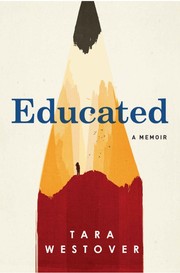 What it is about: Westover grew up in a survivalist family in Idaho, never went to school and worked in her father's scrapyard; she taught herself enough to reach college and eventually earned a PhD from Cambridge. Why it lasts: it is about the cost of education as much as its rewards, and about how memory and family loyalty bend the truth. Where to start: the best entry point to modern memoir on this list.
17. The Year of Magical Thinking by Joan Didion (2005)
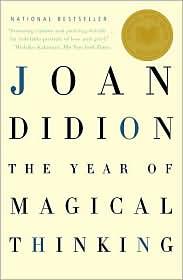 What it is about: the year after Didion's husband, John Gregory Dunne, died suddenly at their dinner table while their daughter lay critically ill. Why it lasts: it is the book people give to someone who is grieving, written with Didion's trademark precision. It won the National Book Award. Where to start: read it in one or two sittings.
18. Between the World and Me by Ta-Nehisi Coates (2015)
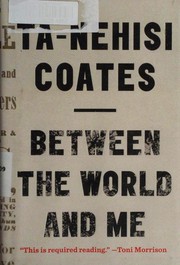 What it is about: a letter from Coates to his teenage son about being Black in America and living in a body that the country does not protect. Why it lasts: it became a touchstone of the decade's conversations about race, and it won the National Book Award. Where to start: it is short; read it straight through.
19. When Breath Becomes Air by Paul Kalanithi (2016)
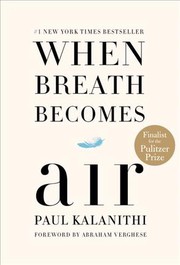 What it is about: a young neurosurgeon is diagnosed with terminal lung cancer near the end of his training and writes about what makes life worth living. He died before finishing it; his wife's epilogue completes it. Why it lasts: it is brief, wise and not sentimental. Where to start: pair it with Being Mortal.
20. Fun Home by Alison Bechdel (2006)
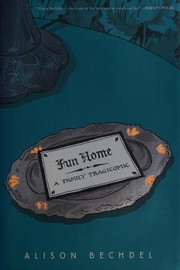 What it is about: a graphic memoir about Bechdel's father, a closeted English teacher and funeral-home director, and her own coming out. Why it lasts: it proved how much a comic can do, and it was adapted into a Tony-winning Broadway musical. Where to start: if you have never read a graphic memoir, start here.
Ideas, Money and Power
21. Thinking, Fast and Slow by Daniel Kahneman (2011)
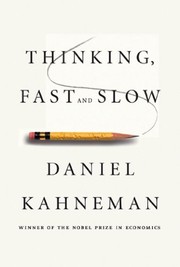 What it is about: the Nobel-winning psychologist explains the two systems of thought, fast intuition and slow reasoning, and the predictable errors each makes. Why it lasts: its vocabulary (anchoring, loss aversion, the planning fallacy) became everyday language in business and policy. A few studies it cites in the priming chapter have since failed to replicate, which Kahneman himself acknowledged. Where to start: Parts One and Two; then see our best psychology books.
22. The Big Short by Michael Lewis (2010)
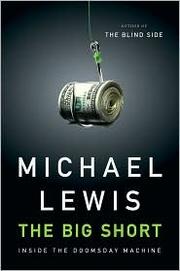 What it is about: the handful of outsiders who saw the 2008 housing crash coming and bet against the market. Why it lasts: it makes credit default swaps entertaining and the collapse understandable. Where to start: here, then Lewis's Moneyball (2003) for a lighter read.
23. Bad Blood by John Carreyrou (2018)
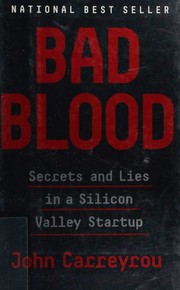 What it is about: the rise and fall of Theranos and its founder Elizabeth Holmes, by the Wall Street Journal reporter who exposed the company's blood tests. Why it lasts: it is the defining cautionary tale of startup hype. Where to start: a fast read for anyone who works in tech.
24. The Looming Tower by Lawrence Wright (2006)
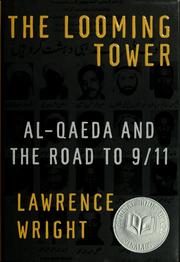 What it is about: the roots of al-Qaeda and the missed chances to stop the September 11 attacks, following both its leaders and the FBI and CIA officials tracking them. Why it lasts: it remains the essential account of how 9/11 happened, and it won the 2007 Pulitzer Prize for General Nonfiction. Where to start: front to back.
25. Invisible Women by Caroline Criado Perez (2019)
What it is about: how data gathered mostly from men shapes products, medicine, transport and workplaces, with real costs for women. Why it lasts: it named the "gender data gap" for a wide audience and won both the Royal Society science book prize and the Financial Times business book award in 2019. Where to start: any chapter; then see our business books for women.
Where to Start
- You want a story first: Killers of the Flower Moon or Say Nothing.
- You want to understand America: The Warmth of Other Suns, then Evicted.
- You want a memoir that will stay with you: Educated.
- You want big ideas: Thinking, Fast and Slow.
- You want something short: Nickel and Dimed or Between the World and Me.
For more true stories about remarkable people, see our best biography books; for the classics of every genre, our best books of all time; or browse the best book lists hub.
Frequently Asked Questions
What is the best nonfiction book of the 21st century?
Our pick is The Warmth of Other Suns by Isabel Wilkerson (2010), a history of the Great Migration told through three lives. It combines deep research with novel-like storytelling.
What is a good first nonfiction book for someone who reads mostly fiction?
Try Killers of the Flower Moon, Say Nothing or Educated. All three read like novels, with suspense, strong characters and a clear story.
Which 21st-century nonfiction books won the Pulitzer Prize?
On this list, The Looming Tower (2007), The Emperor of All Maladies (2011), The Sixth Extinction (2015) and Evicted (2017) won the Pulitzer Prize for General Nonfiction.
What are the best short nonfiction books from this century?
Between the World and Me, When Breath Becomes Air and Nickel and Dimed can each be read in a weekend.
Is Sapiens still worth reading?
Yes, as a provocative big-picture essay. Some historians and scientists dispute its broader claims, so read it as one thinker's argument rather than settled fact.
As an Amazon Associate, we earn from qualifying purchases.