Best Book Lists
The 16 Best Business Books for Women
Quick answer
If you read one business book for women, make it Lean In by Sheryl Sandberg (2013). It is the book everyone else in this genre responds to, and its core advice (ask for the role, negotiate, choose a partner who splits the work at home) still holds. For something more tactical, read How Women Rise (2018), which names 12 specific habits that stall women's careers and how to drop them. For the bias you cannot fix by changing yourself, read What Works for Women at Work (2014). The 16 picks below are grouped by what you need right now.
As an Amazon Associate, we earn from qualifying purchases.
The Best Books for Women in Business at a Glance
| # | Title | Author | Year | Best for |
|---|---|---|---|---|
| 1 | Lean In | Sheryl Sandberg | 2013 | The big-picture case |
| 2 | How Women Rise | Sally Helgesen, Marshall Goldsmith | 2018 | Mid-career women aiming higher |
| 3 | Nice Girls Don't Get the Corner Office | Lois P. Frankel | 2004 | A behavior checklist |
| 4 | What Works for Women at Work | Joan C. Williams, Rachel Dempsey | 2014 | Naming and handling bias |
| 5 | The Memo | Minda Harts | 2019 | Women of color at work |
| 6 | Invisible Women | Caroline Criado Perez | 2019 | Leaders who make decisions with data |
| 7 | Feminist Fight Club | Jessica Bennett | 2016 | Everyday office sexism, with humor |
| 8 | Dare to Lead | Brené Brown | 2018 | New and growing leaders |
| 9 | Radical Candor | Kim Scott | 2017 | Giving honest feedback |
| 10 | Women Don't Ask | Linda Babcock, Sara Laschever | 2003 | Negotiating pay |
| 11 | Women and Money | Suze Orman | 2007 | Personal finances |
| 12 | The Confidence Code | Katty Kay, Claire Shipman | 2014 | Second-guessing yourself |
| 13 | Playing Big | Tara Mohr | 2014 | Quieting the inner critic |
| 14 | Brave, Not Perfect | Reshma Saujani | 2019 | Recovering perfectionists |
| 15 | Year of Yes | Shonda Rhimes | 2015 | Saying yes to visibility |
| 16 | Fair Play | Eve Rodsky | 2019 | Working parents splitting home duties |
How We Chose
Every book here is written by a woman (one is co-written with a man) and speaks to women working in business or leading teams. We favored books built on research or long coaching practice over pure pep talks, and books that tell you what to do differently rather than only how to feel. We dropped popular titles that are really general self-help with a women-focused cover, and we kept a balance: some books help you change your own habits, others help you see the system you are working inside. You need both.
Getting Ahead: Career Strategy
1. Lean In by Sheryl Sandberg (2013)
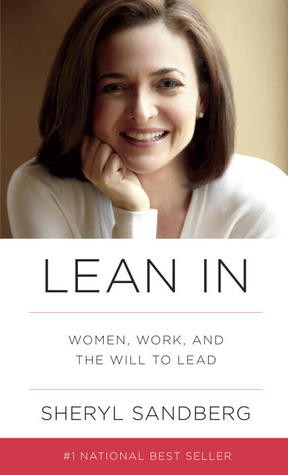 The key idea: women face real external barriers, but they also hold back in small, learnable ways: not applying until they meet every requirement, sitting at the edge of the room instead of at the table, scaling back years before a child arrives. Sandberg, then Facebook's chief operating officer, mixes research with her own missteps. The chapter on making your partner a real partner at home is the one readers quote most.
Who it is for: women early in their careers, and managers who want to understand why talented women leave. What to know: critics, including bell hooks and Susan Faludi, argued that it puts too much weight on individual effort and has little to offer single mothers or women without a well-paid partner. Read it as one strong argument, not the whole story. Where to start: chapters 1 to 3, then "Make Your Partner a Real Partner."
2. How Women Rise by Sally Helgesen and Marshall Goldsmith (2018)
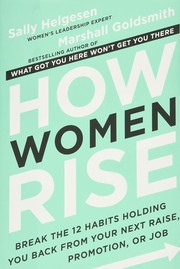 The key idea: the habits that got you noticed early (working hard and waiting to be recognized, mastering every detail, saying yes to everything) start working against you once you aim for senior roles. The book lists 12 such habits and offers a concrete replacement for each. Goldsmith is one of the best-known executive coaches; Helgesen has written about women and leadership for decades.
Who it is for: mid-career women who are good at their jobs and stuck one level below where they want to be. Where to start: skim the 12 habits, pick the two that sting, and read those chapters first.
3. Nice Girls Don't Get the Corner Office by Lois P. Frankel (2004)
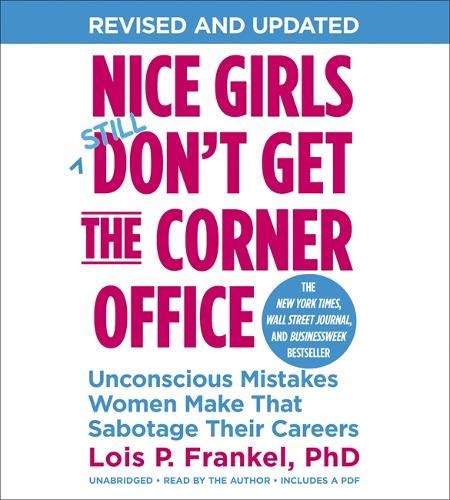 The key idea: an executive coach catalogs the small behaviors that read as junior: apologizing before you speak, phrasing statements as questions, doing other people's work to keep the peace, explaining too much. Each item comes with a short coaching tip. The original listed 101 of them; a revised and updated edition came out in 2014.
Who it is for: readers who like checklists and want quick, specific changes. Where to start: start with the self-assessment, then read only the sections where you score worst.
Seeing the System: Bias at Work
4. What Works for Women at Work by Joan C. Williams and Rachel Dempsey (2014)
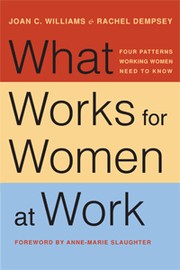 The key idea: workplace bias against women follows four predictable patterns. "Prove it again" means women have to show competence more times than men. The "tightrope" is the narrow space between too feminine and too masculine. The "maternal wall" hits mothers, and the "tug of war" pits women against each other. Williams, a law professor at UC Law San Francisco, and Dempsey interviewed successful women about what they actually did in each situation.
Who it is for: women who keep hitting walls and suspect it is not them, and anyone in HR or management. Where to start: read the chapter on whichever pattern sounds most familiar.
5. The Memo by Minda Harts (2019)
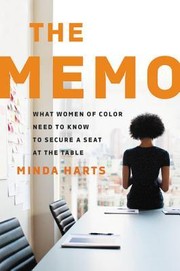 The key idea: most career advice for women assumes a white woman's experience. Harts, who founded a career-development company for women of color, writes about the extra layers: being the only one in the room, code-switching, sponsors who do not show up, and how to build a network that does.
Who it is for: women of color at any career stage, and managers who want their teams to work for everyone. Where to start: front to back; it is short and conversational.
6. Invisible Women by Caroline Criado Perez (2019)
The key idea: much of the data behind products, policies and workplaces was collected on men and treated as universal, from office temperature settings to crash-test dummies to medical trials. Criado Perez shows what that gap costs women, and the book won the 2019 Financial Times and McKinsey Business Book of the Year award.
Who it is for: anyone who designs products, sets policy or makes decisions from data. Where to start: the workplace section, then whichever chapter matches your industry.
7. Feminist Fight Club by Jessica Bennett (2016)
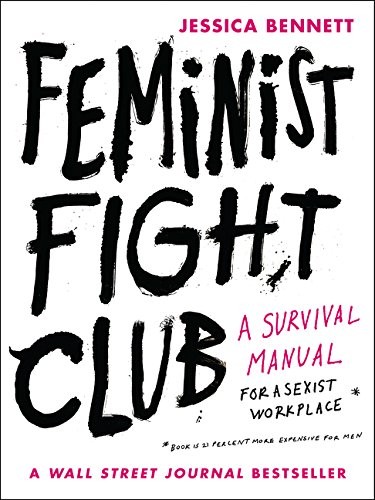 The key idea: everyday sexism at work is easier to fight once it has a name. Journalist Jessica Bennett gives the common types funny labels (the colleague who interrupts, the one who repeats your idea and takes credit) and pairs each with a practical counter-move, plus scripts for negotiating and speaking up.
Who it is for: younger women in their first office jobs, and anyone who needs to laugh about it before dealing with it. Where to start: anywhere; it is built to be dipped into.
Leading People
8. Dare to Lead by Brené Brown (2018)
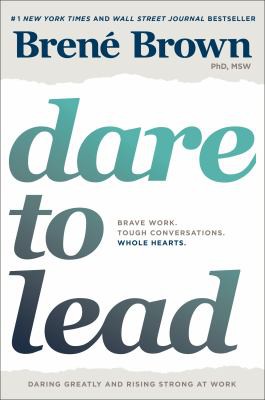 The key idea: courage in leadership is a set of teachable skills: having hard conversations, admitting what you do not know, giving feedback that is clear rather than vague and "nice," and building trust on purpose. Brown, a University of Houston researcher, built it on interviews with leaders and the workshops she ran with companies.
Who it is for: new managers and anyone who leads a team through change. Where to start: Part One on "rumbling with vulnerability," then the chapter on trust.
9. Radical Candor by Kim Scott (2017)
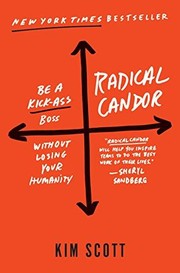 The key idea: good bosses care personally and challenge directly at the same time. Drop the challenge and you slide into "ruinous empathy," the polite silence that lets people fail; drop the caring and you become obnoxiously aggressive. Scott, a former Google and Apple executive, gives scripts for asking for criticism, praising specifically and running one-on-ones.
Who it is for: managers, especially women who have been told they are "too nice" or "too harsh," sometimes in the same week. It is not written only for women, but its framework helps with exactly that double bind. Where to start: the opening chapters for the framework, then the sections on feedback and one-on-ones.
Negotiation and Money
10. Women Don't Ask by Linda Babcock and Sara Laschever (2003)
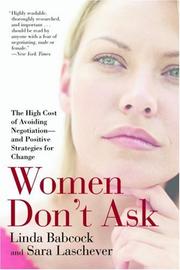 The key idea: a large part of the gender pay gap starts with who asks. Babcock, an economist at Carnegie Mellon, found that men were far more likely than women to negotiate their first salary, and that small differences in starting pay compound over a career. The book explains why women are often penalized for asking the same way men do, and how to ask in ways that work.
Who it is for: anyone about to take a job offer or ask for a raise. Where to start: the opening chapters on the cost of not asking. The authors' follow-up, Ask For It, is the hands-on workbook.
11. Women & Money by Suze Orman (2007)
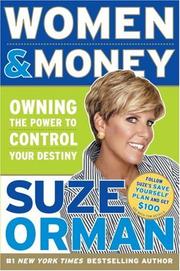 The key idea: many women who manage budgets at work avoid their own money. Orman lays out a plain plan: know your numbers, build an emergency fund, fund retirement, protect yourself with the right documents, and stop lending or spending out of guilt. An updated edition came out in 2018.
Who it is for: women who earn well but feel unsure about investing, retirement or a household where someone else handles the money. Where to start: the action plan chapters; pair it with our best personal finance books.
Confidence and Mindset
12. The Confidence Code by Katty Kay and Claire Shipman (2014)
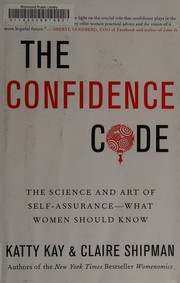 The key idea: two veteran journalists look at research on why many capable women underrate themselves, and conclude that confidence is less a feeling than a habit of acting: you build it by taking action, failing small and trying again. It covers genetics, upbringing and workplace culture.
Who it is for: women who rehearse every meeting and still do not speak up. Where to start: the chapters on action and failure; there is also a version for girls.
13. Playing Big by Tara Mohr (2014)
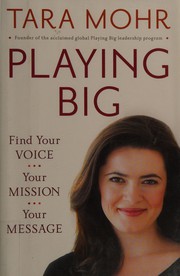 The key idea: Mohr, a coach who has run leadership programs for women, separates the inner critic (which wants you safe) from real feedback, and teaches you to "unhook" from both praise and criticism so neither runs your choices. Her idea of a "leap," a small, fast action that stretches you, is the most useful tool in the book.
Who it is for: women sitting on a big idea, a promotion bid or a business plan. Where to start: the chapters on the inner critic and on leaps.
14. Brave, Not Perfect by Reshma Saujani (2019)
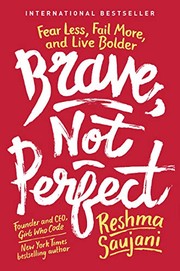 The key idea: girls are rewarded for being perfect and boys for being brave, and many women carry that into work as fear of failure. Saujani, who founded Girls Who Code in 2012 after losing a 2010 congressional primary, expands her 2016 TED talk into a set of exercises for taking small risks on purpose.
Who it is for: perfectionists, and parents of daughters. Where to start: the first part, on how the perfection habit forms.
15. Year of Yes by Shonda Rhimes (2015)
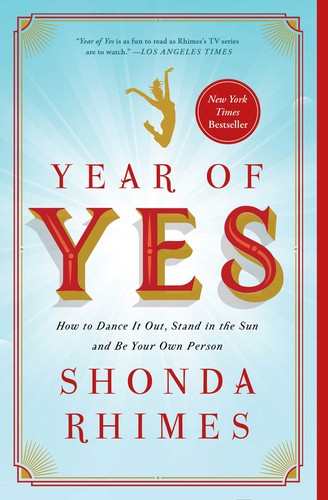 The key idea: the creator of Grey's Anatomy and Scandal, who had long dodged public appearances, spent a year saying yes to everything that scared her: speeches, interviews, compliments, hard conversations. It is a memoir, not a manual, but it is the most persuasive argument here for taking the visible role.
Who it is for: women who do great work behind the scenes and dread the spotlight. Where to start: front to back; it reads in a weekend.
Work and Home
16. Fair Play by Eve Rodsky (2019)
 The key idea: unpaid work at home quietly limits careers, and it is mostly invisible until you list it. Rodsky turned household tasks into a deck of cards that couples divide, with one rule: whoever holds a card owns it completely, from noticing the need to finishing the job.
Who it is for: working parents and couples who argue about who does more. Where to start: the card system chapters; then sit down with your partner.
More Business Reading
Starting your own company? See our best books for starting a business and best marketing books. For the psychology behind confidence and habits, try the best psychology books on human behavior, or browse every list on our best book lists hub.
Frequently Asked Questions
What is the best business book for women?
Lean In by Sheryl Sandberg (2013) is the best starting point because most later books respond to it. For practical, habit-level advice, How Women Rise (2018) is the most useful follow-up.
What book helps women negotiate a higher salary?
Women Don't Ask by Linda Babcock and Sara Laschever explains why women negotiate less and what it costs over a career. Its follow-up, Ask For It, is the step-by-step version.
Is Lean In still worth reading?
Yes, as long as you pair it with a book about structural bias such as What Works for Women at Work. Lean In covers what you can change yourself; it says much less about the system around you.
Are there business books for women of color?
The Memo by Minda Harts (2019) is written specifically for women of color at work, and What Works for Women at Work includes a section on how gender bias differs by race.
Are these books only for women?
No. Radical Candor, Dare to Lead and Invisible Women are written for everyone, and managers of any gender will get a lot from What Works for Women at Work and Fair Play.