Best Books
Best Books for Starting a Business
Quick answer
Read The Lean Startup by Eric Ries first. It gives you an actual process — build a minimum viable product, measure real customer response, learn and adjust — for testing whether an idea works before you spend serious time or money on it.
The 3-book shortlist: The Lean Startup (how to test an idea), The E-Myth Revisited by Michael Gerber (why most small businesses actually fail) and Shoe Dog by Phil Knight (an honest account of how messy it really is).
This is a research roundup, not financial or legal advice; the authors' ideas are their own, not guarantees. As an Amazon Associate, we earn from qualifying purchases.
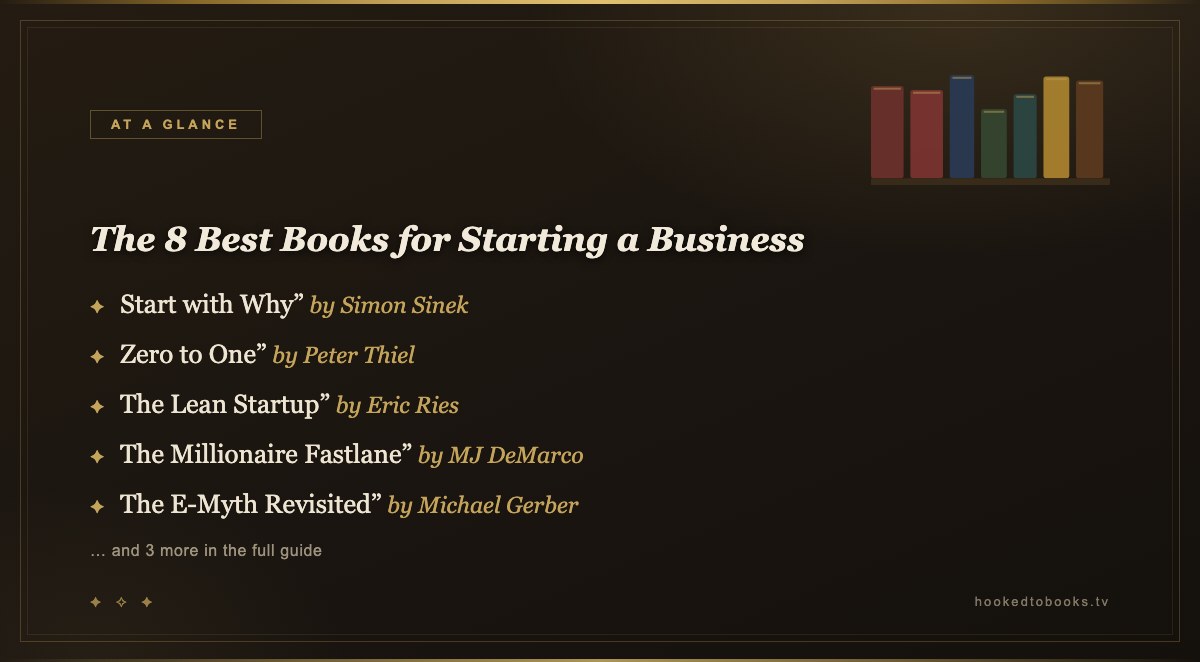
Business books skew toward survivorship bias — a lot of them are one successful founder's story generalized into a universal rule. The six below were picked because they offer a real, repeatable idea rather than just a victory lap, and we note what's a how-to versus what's a memoir.
How We Chose
Every pick had to offer a specific, nameable framework or an honestly told founder story, with lasting reputation in the startup and small-business world. We verified every author and year against Wikipedia and Open Library as of October 2026.
Testing an idea before you commit
1. The Lean Startup by Eric Ries
Ries lays out a build-measure-learn cycle: ship a minimum viable product fast, measure how real customers actually respond, and use that data to decide whether to persevere or pivot.
- What it teaches: how to test a business idea cheaply before overinvesting in a plan that might be wrong.
- Best for: anyone with an idea who hasn't built anything yet.
- Where to start: The Lean Startup (2011), a standalone.
2. Zero to One by Peter Thiel
Thiel, based on notes from a Stanford class he taught, argues the most valuable businesses create something genuinely new (going from zero to one) rather than competing in an already-crowded market (going from one to n).
- What it teaches: a framework for thinking about what makes a business defensible and valuable, not just viable.
- Best for: founders thinking about a tech or venture-scale business specifically.
- Where to start: Zero to One (2014), written with Blake Masters, a standalone.
Why small businesses actually fail
3. The E-Myth Revisited by Michael E. Gerber
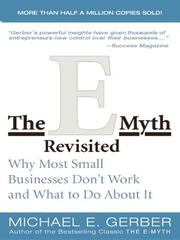
Gerber's core argument: most small businesses are started by someone skilled at the actual work (baking, fixing cars, cutting hair) who assumes that skill is the same as the skill of running a business — and it isn't.
- What it teaches: to build systems and processes that don't depend entirely on you personally, from day one.
- Best for: anyone starting a business built around a trade or craft they're personally skilled at.
- Where to start: The E-Myth Revisited (1995), a revised edition of the original 1985 The E-Myth.
4. Start with Why by Simon Sinek
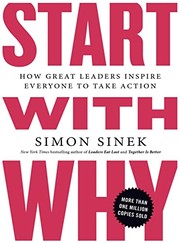
Sinek argues that the most durable companies and leaders start from a clear sense of purpose (why) before getting to method (how) and product (what), using examples like Apple and Martin Luther King Jr.
- What it teaches: a framework for clarifying why a business should exist, not just what it sells.
- Best for: founders working on branding, hiring or early messaging.
- Where to start: Start with Why (2009), a standalone.
Honest accounts of how hard it actually is
5. The Hard Thing About Hard Things by Ben Horowitz
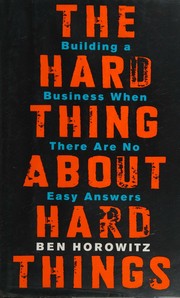
Drawing on his own time running a struggling startup through the dot-com crash, Horowitz writes about the genuinely ugly parts most business books skip: layoffs, demoting a friend, and decisions where every option is bad.
- What it teaches: how to make hard calls under pressure, with no clean answer available.
- Best for: founders already running something and hitting the parts nobody warned them about.
- Where to start: The Hard Thing About Hard Things (2014), a standalone.
6. Shoe Dog by Phil Knight
Nike founder Phil Knight's memoir of the company's first years, from importing Japanese running shoes out of the trunk of his car to years of being perpetually almost out of cash.
- What it teaches: less a framework than a corrective: even one of the most successful companies ever built nearly failed, repeatedly, for over a decade.
- Best for: founders who need to hear that the mess is normal, not a sign of doing it wrong.
- Where to start: Shoe Dog (2016), a standalone.
If you only read one from each group
- Test an idea: The Lean Startup.
- Why businesses fail: The E-Myth Revisited.
- Honest founder story: Shoe Dog.
Want more on leadership and work? See our best business books for women list, or browse every list on our best book lists hub.
FAQ
What is the best book for starting a business?
The Lean Startup by Eric Ries is the most commonly recommended first book, since it gives a repeatable process (build, measure, learn) for testing an idea before you've spent a lot of money on it.
What book should I read before writing a business plan?
The Lean Startup argues for testing assumptions with a minimum viable product before writing a full business plan at all, since most first plans are wrong in ways you can't predict from your desk.
What is a good book about why most small businesses fail?
The E-Myth Revisited by Michael Gerber argues that most small businesses fail because the founder is a skilled practitioner (a baker, a mechanic) without the separate skills needed to run a business around that craft.
What is a good book about the hard parts of running a company?
The Hard Thing About Hard Things by Ben Horowitz focuses specifically on the parts of running a company that most books skip: layoffs, demotions and decisions with no good option.
Is Shoe Dog useful for someone starting a business?
Yes, though it's a memoir rather than a how-to guide. Phil Knight's account of founding Nike is honest about how close the company came to failing multiple times, which is a useful corrective to survivorship-bias business advice.
Six books, zero guarantees. Start with The Lean Startup if you haven't built anything yet, or Shoe Dog if you need to hear that it's supposed to be hard.
Want a free set of printable bookmarks?
Made for cozy readers working through a long series in order. Print at home, cut, and slip one into whatever you're reading tonight. They're free. Then browse all our reading-order guides.
Get the free bookmarks →As an Amazon Associate, we earn from qualifying purchases.