Best Book Lists
The 21 Best Poetry Books of All Time
Quick answer
The best poetry book to start with is Devotions: The Selected Poems of Mary Oliver (2017). The poems are short, clear and genuinely moving, they cover more than fifty years of work, and you can open the book anywhere. If you want the all-time classics, read Shakespeare’s Sonnets (1609), Walt Whitman’s Leaves of Grass (1855) and Emily Dickinson’s collected poems. Below are 21 poetry books for real readers, from first-timers to experienced, each with who it suits and which poem to read first.
As an Amazon Associate, we earn from qualifying purchases.
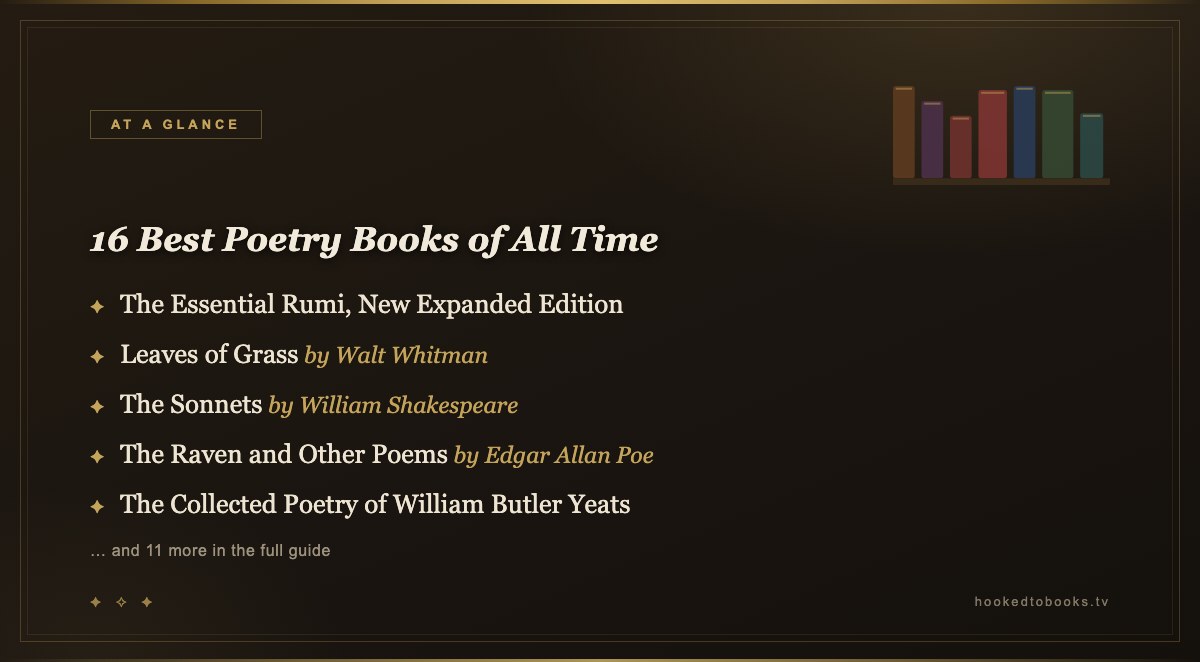
The 21 best poetry books of all time at a glance
Ordered from easiest way in to most ambitious within each group. Years are first publication of that book or translation.
| # | Book | Poet | Year | Best for |
|---|---|---|---|---|
| 1 | Devotions: The Selected Poems of Mary Oliver | Mary Oliver | 2017 | Absolute beginners |
| 2 | Sailing Alone Around the Room: New and Selected Poems | Billy Collins | 2001 | Readers who want to laugh |
| 3 | Selected Poems of Langston Hughes | Langston Hughes | 1959 | Readers who love music and rhythm |
| 4 | Shakespeare's Sonnets | William Shakespeare | 1609 | Readers who love language at full stretch |
| 5 | Leaves of Grass | Walt Whitman | 1855 | Readers who want big, open-hearted poems |
| 6 | The Complete Poems of Emily Dickinson | Emily Dickinson | 1960 (ed. Thomas H. Johnson) | Readers who like short, surprising poems |
| 7 | The Poetry of Robert Frost | Robert Frost | 1969 (ed. Edward Connery Lathem) | Readers who like story and landscape |
| 8 | Collected Poems 1909–1962 | T. S. Eliot | 1963 | Readers ready for a challenge |
| 9 | The Odyssey (translated by Emily Wilson) | Homer | 2017 translation | Readers who want a story |
| 10 | The Essential Rumi | Coleman Barks | 1995 | Readers looking for spiritual poetry |
| 11 | Twenty Love Poems and a Song of Despair | Pablo Neruda | 1924 (Merwin translation 1969) | Romantics |
| 12 | Death of a Naturalist | Seamus Heaney | 1966 | Readers who love the outdoors and memory |
| 13 | Selected Poems | Gwendolyn Brooks | 1963 | Readers who like portraits of real lives |
| 14 | Ariel | Sylvia Plath | 1965 | Readers who want intensity |
| 15 | Geography III | Elizabeth Bishop | 1976 | Readers who like precise, quiet poems |
| 16 | And Still I Rise | Maya Angelou | 1978 | Readers who want poems to read aloud |
| 17 | milk and honey | Rupi Kaur | 2014 | Teen and young adult readers |
| 18 | Night Sky with Exit Wounds | Ocean Vuong | 2016 | Readers who want lyric intensity |
| 19 | The Carrying | Ada Limón | 2018 | Readers who want hopeful, grounded poems |
| 20 | Postcolonial Love Poem | Natalie Diaz | 2020 | Readers who want ambitious new work |
| 21 | Where the Sidewalk Ends | Shel Silverstein | 1974 | Families and classrooms |
How we chose these books
Most “best poetry” lists hand you a famous title and leave you stuck on page one. We picked books a curious reader will actually finish, and we tell you which poem to read first. Our tests:
- Will a non-specialist enjoy it? Every book here works without a literature degree, though a few (Eliot, Shakespeare) reward some patience.
- Is it the right edition? Where a poet has many books, we chose the one volume that serves a new reader best, usually a selected or collected edition.
- Does the list range widely? Classic and contemporary, American, British, Irish, Persian, Greek and Chilean, funny and devastating.
- Does it reward rereading? A good poetry book keeps giving for years.
We left out anthologies, which deserve their own list, and long single poems such as Dante’s Divine Comedy, which are better approached on their own.
Start here: three books for new poetry readers
Clear, warm and quick to reward you. If poetry has felt like a locked door, one of these will open it.
1. Devotions: The Selected Poems of Mary Oliver by Mary Oliver (2017)
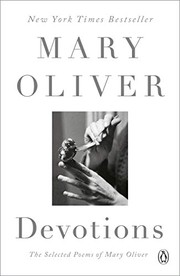
Who it’s for: Anyone who likes walking outside, paying attention and being moved without being puzzled.
What it’s like: Oliver chose these poems herself from more than fifty years of work. Herons, ponds, grief, gratitude: plain language, short lines and endings that land.
Where to start: Read “Wild Geese” first, then “The Summer Day”. Open anywhere after that; the book does not need to be read in order.
2. Sailing Alone Around the Room: New and Selected Poems by Billy Collins (2001)
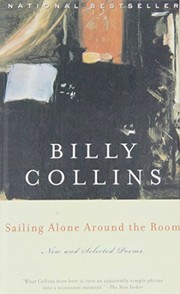
Who it’s for: People who think poetry is solemn. Collins, a former U.S. Poet Laureate, is funny, conversational and sneakily profound.
What it’s like: A selection from four earlier books plus new poems. Most start somewhere ordinary, like the notes scribbled in a library book's margins or a name you cannot remember, and end up somewhere unexpected.
Where to start: Begin with “Introduction to Poetry”, a short poem about how not to read poems. Then try “Forgetfulness”.
3. Selected Poems of Langston Hughes by Langston Hughes (1959)
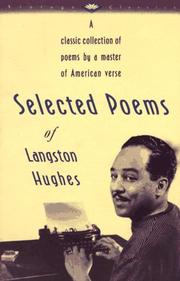
Who it’s for: Anyone who hears poetry best as song. Hughes wrote poems shaped by blues and jazz, and they still read aloud beautifully.
What it’s like: Hughes picked these himself from four decades of work: Harlem streets, the blues, Black history, dreams deferred. The poems are short and direct, and many are already famous.
Where to start: Start with “The Negro Speaks of Rivers”, written when he was a teenager, then “Mother to Son”.
The classics everyone quotes
The poets whose lines turn up in wedding vows, funerals and exam papers. Read them for pleasure, not duty.
4. Shakespeare's Sonnets by William Shakespeare (1609)
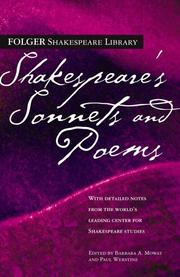
Who it’s for: Readers who enjoy puzzling out a dense fourteen lines and anyone who wants the love poems everyone half-remembers.
What it’s like: 154 sonnets about love, beauty, time and jealousy, many addressed to a young man and later ones to a mysterious “dark lady”. Each is a tight argument with a twist in the closing couplet.
Where to start: Start with Sonnet 18 (“Shall I compare thee to a summer’s day?”), then 73 and 130. An edition with notes on the facing page, like the Folger, helps a lot.
5. Leaves of Grass by Walt Whitman (1855)
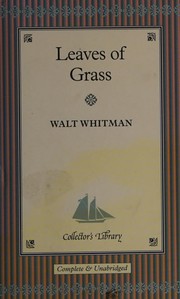
Who it’s for: Readers who like long lines, lists and a voice that tries to hold the whole country.
What it’s like: Whitman published the first edition himself in 1855 and kept revising and expanding it for the rest of his life. It celebrates bodies, cities, workers and democracy in sprawling free verse that felt radical at the time.
Where to start: Read the opening sections of “Song of Myself”, then “Crossing Brooklyn Ferry”. Do not try to read it cover to cover at first.
6. The Complete Poems of Emily Dickinson by Emily Dickinson (1960 (ed. Thomas H. Johnson))
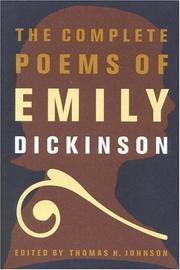
Who it’s for: Anyone who likes poems that are tiny on the page and enormous in the head.
What it’s like: Nearly 1,800 short poems, almost none published in her lifetime, about death, nature, faith and the mind. Dashes, odd capitals and slant rhymes make each one feel like a riddle. Johnson's 1960 one-volume edition gathered them all.
Where to start: Start with “Because I could not stop for Death”, then “‘Hope’ is the thing with feathers”. Read a few a day.
7. The Poetry of Robert Frost by Robert Frost (1969 (ed. Edward Connery Lathem))
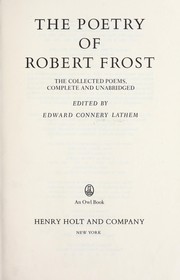
Who it’s for: Readers who want poems that sound like someone talking, set in fields and farmhouses.
What it’s like: The standard edition of all of Frost's published books, from A Boy’s Will (1913) to In the Clearing (1962). The poems look simple and turn out to be dark, ironic and tricky.
Where to start: Read “Stopping by Woods on a Snowy Evening” and “Mending Wall”, then the dialogue poem “Home Burial”.
8. Collected Poems 1909–1962 by T. S. Eliot (1963)
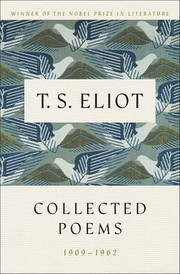
Who it’s for: Readers who enjoy difficulty and want to understand what “modern poetry” means.
What it’s like: Everything Eliot wanted kept: the early city poems, The Waste Land (1922), and the late meditations of Four Quartets. Fragmented, allusive and very musical.
Where to start: Start with “The Love Song of J. Alfred Prufrock” before The Waste Land. Read it aloud and enjoy the sound before worrying about the references.
Epic and world poetry in translation
Three books that cross centuries and languages, in translations made to be read for pleasure.
9. The Odyssey (translated by Emily Wilson) by Homer (2017 translation)
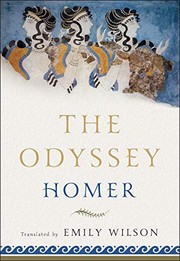
Who it’s for: Anyone who wants to read an epic like a novel. Wilson's version is the first complete English translation by a woman.
What it’s like: Odysseus spends ten years trying to get home from the Trojan War while his wife and son hold out against the suitors in his house. Wilson matches Homer's line count and writes in brisk, plain verse.
Where to start: Start at Book 1 and read a book a night. If you stall, skip to Book 9, where Odysseus tells of the Cyclops.
10. The Essential Rumi by Coleman Barks (1995)
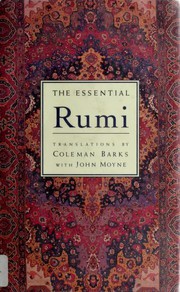
Who it’s for: Readers who want short poems about love, longing and the inner life.
What it’s like: Barks's popular English versions of the 13th-century Persian poet. Note that they are free renderings built from scholars' translations rather than direct translations from the Persian, so treat them as Barks's own interpretation.
Where to start: Begin with “The Guest House”, then browse the themed chapters.
11. Twenty Love Poems and a Song of Despair by Pablo Neruda (1924 (Merwin translation 1969))
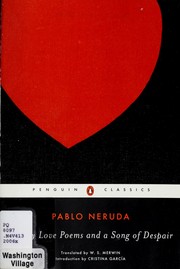
Who it’s for: Readers who want passionate love poems, and anyone who reads a little Spanish.
What it’s like: Neruda was still a teenager when he wrote these, and the book made him famous across the Spanish-speaking world. Sensual, sad and full of sea and earth imagery. The Penguin Classics edition prints the Spanish beside W. S. Merwin's English.
Where to start: Read Poem 20 (“Tonight I can write the saddest lines”) first.
Twentieth-century voices
Five books that changed what poems could talk about.
12. Death of a Naturalist by Seamus Heaney (1966)
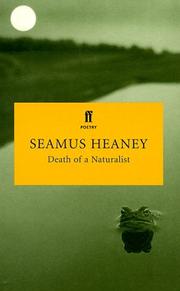
Who it’s for: Readers who like poems about childhood, family and work with your hands.
What it’s like: Heaney's first full collection, rooted in his family's farm in Northern Ireland: digging potatoes, frogspawn, blackberries. Every line is packed with texture and sound. He went on to win the Nobel Prize.
Where to start: Start with the opening poem, “Digging”, then the title poem.
13. Selected Poems by Gwendolyn Brooks (1963)
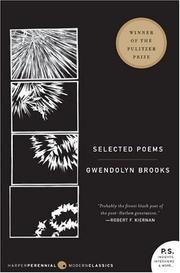
Who it’s for: Readers who want sharp, musical poems about people and neighbourhoods.
What it’s like: Brooks, the first Black writer to win a Pulitzer Prize, drew these from her first three books plus new work. Chicago's South Side, its kitchens and pool halls, rendered with wit and formal skill.
Where to start: Begin with “We Real Cool”, eight lines you will never forget, then “The Bean Eaters”.
14. Ariel by Sylvia Plath (1965)
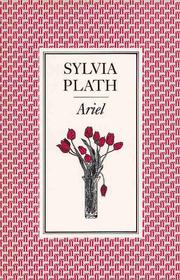
Who it’s for: Readers who like raw, blazing poems and can handle dark subject matter.
What it’s like: Published two years after Plath's death, these poems are fierce, fast and vivid, about motherhood, rage and selfhood. Later scholars restored her own intended order in Ariel: The Restored Edition (2004).
Where to start: Start with the gentle opener, “Morning Song”, before the better-known “Lady Lazarus” and “Daddy”.
15. Geography III by Elizabeth Bishop (1976)
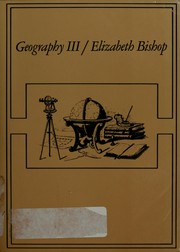
Who it’s for: Readers who prefer restraint to fireworks. It is a slim book of ten poems.
What it’s like: Bishop's last book holds some of her finest work, including “In the Waiting Room” and “The Moose”. Every detail is exact, and the feeling builds under the surface.
Where to start: Read “One Art”, her villanelle about losing things, first.
16. And Still I Rise by Maya Angelou (1978)
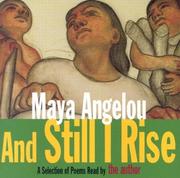
Who it’s for: Anyone who wants defiant, rhythmic poems that sound like speeches.
What it’s like: Angelou's third collection, full of pride, humour and resilience, written to be performed.
Where to start: Start with the title poem, “Still I Rise”, then “Phenomenal Woman”.
Contemporary poetry worth your time
Four books from the last dozen years, from a bestseller to prize winners.
17. milk and honey by Rupi Kaur (2014)
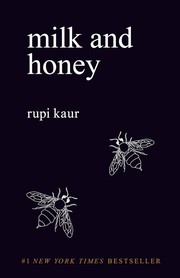
Who it’s for: New readers who want very short poems about love, trauma and healing. One of the best-selling poetry books of recent decades.
What it’s like: Kaur self-published it in 2014 before Andrews McMeel reissued it. The poems are brief, lowercase and paired with her line drawings. Critics are divided on it, but it has brought millions of people to poetry.
Where to start: Read it in one sitting. If it grabs you, move on to Ada Limón or Ocean Vuong next.
18. Night Sky with Exit Wounds by Ocean Vuong (2016)
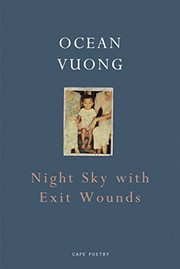
Who it’s for: Readers who like poems about family, war, desire and immigration. It won the T. S. Eliot Prize.
What it’s like: Vuong's debut moves between his family's history in Vietnam and his life as a queer young man in America, in lush, startling images.
Where to start: Start with “Someday I’ll Love Ocean Vuong”.
19. The Carrying by Ada Limón (2018)
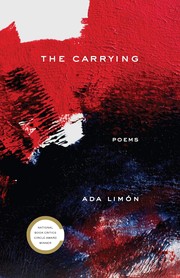
Who it’s for: Readers who liked Mary Oliver and want a newer voice. It won the National Book Critics Circle Award; Limón was later named U.S. Poet Laureate.
What it’s like: Poems about the body, infertility, horses, gardens and getting through hard years, written in clear, warm language.
Where to start: Begin with “Instructions on Not Giving Up”, then “Dead Stars”.
20. Postcolonial Love Poem by Natalie Diaz (2020)
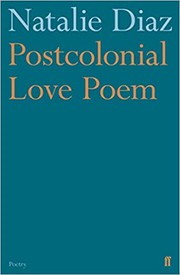
Who it’s for: Readers ready for bold, sensual and political poems. It won the 2021 Pulitzer Prize for Poetry.
What it’s like: Diaz, who is Mojave and Latina, writes about love, the body, water rights and the river, often in the same poem.
Where to start: Read the title poem first.
For reading aloud with kids
Where most of us first met poetry, and still a joy for adults.
21. Where the Sidewalk Ends by Shel Silverstein (1974)
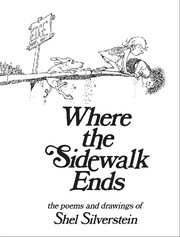
Who it’s for: Children, parents, teachers and anyone who wants to remember why poems are fun.
What it’s like: More than a hundred funny, strange and occasionally touching poems with Silverstein's own drawings. Perfect for bedtime.
Where to start: Start with “Sick” and the title poem.
Which poetry book should you read first?
- Never read poetry for fun: Mary Oliver’s Devotions or Billy Collins.
- Want the classics: Dickinson, then Frost, then Shakespeare’s Sonnets.
- Want a story: Emily Wilson’s Odyssey.
- Want love poems: Neruda, then Shakespeare.
- Want something new: Ada Limón, Ocean Vuong or Natalie Diaz.
- Reading with children: Where the Sidewalk Ends.
Poetry pairs well with other short, rereadable books. If you are building a reading list, our best books of all time covers the great novels, and books for anxiety includes some gentle, calming reads. Reading as a group? See books for your book club. For more lists, browse the best book lists hub.
FAQ
What is the best poetry book of all time?
For a first poetry book, we recommend Mary Oliver’s Devotions (2017). For the all-time classics, Shakespeare’s Sonnets (1609), Whitman’s Leaves of Grass (1855) and Emily Dickinson’s collected poems are the books most often named.
What are the most famous poetry books?
Leaves of Grass, Shakespeare’s Sonnets, Homer’s Odyssey, Plath’s Ariel, Shel Silverstein’s Where the Sidewalk Ends and, more recently, Rupi Kaur’s milk and honey are among the best known.
What poetry book should a beginner read first?
Start with Mary Oliver’s Devotions or Billy Collins’s Sailing Alone Around the Room. Both are clear, short-poem collections that do not require any background.
Is it better to buy a selected or a complete edition?
Start with a selected edition. Complete editions are wonderful once you know you love a poet, but a good selection puts the strongest poems up front.
How should you read a book of poetry?
Read a few poems at a time, read them aloud, and reread the ones that catch you. You do not need to go in order or understand every line on the first pass.
What is a book of poems called?
A book of one poet’s poems is usually called a collection; a book gathering many poets is an anthology. A “selected poems” is a poet’s best work chosen from several books.
As an Amazon Associate, we earn from qualifying purchases.