Best Book Lists
The 24 Best Horror Books of All Time
Quick answer
The best horror book to start with is The Shining by Stephen King (1977). It is properly frightening, reads quickly for its length and works as a story about a family coming apart, so it suits first-time horror readers and lifelong fans alike. If you want something shorter and quieter, read Shirley Jackson’s The Haunting of Hill House (1959). If you want a recent book, read Silvia Moreno-Garcia’s Mexican Gothic (2020). Below are all 24 of our picks, grouped by the kind of fear you are after, with who each book suits and where to start.
As an Amazon Associate, we earn from qualifying purchases.
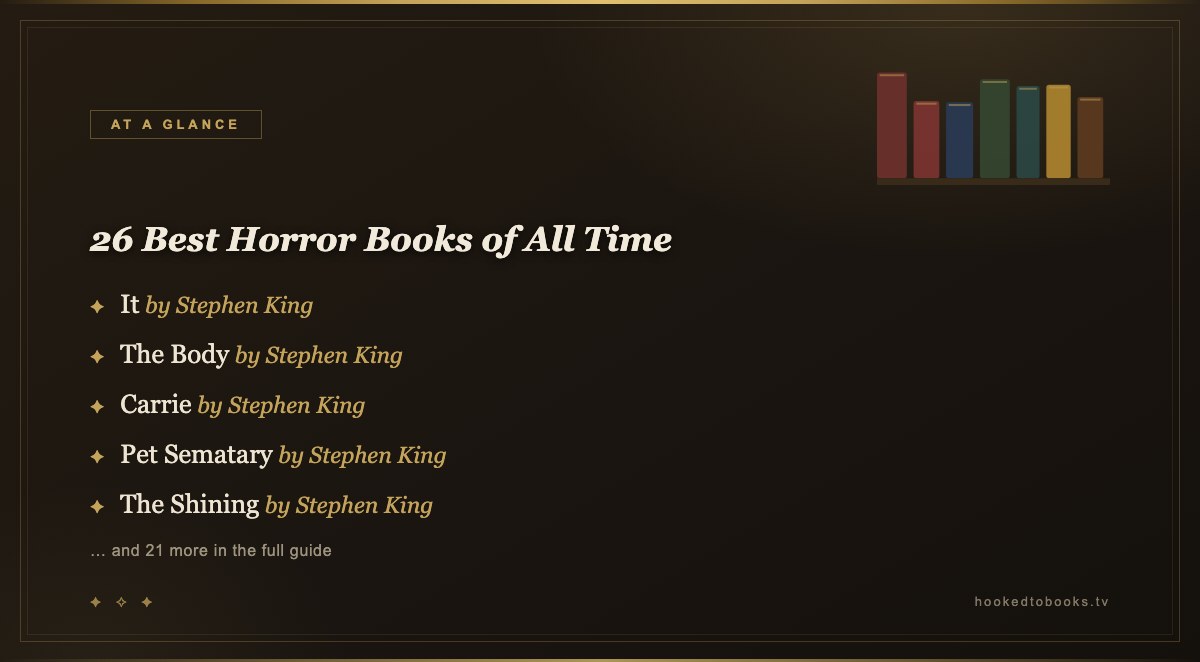
The 24 best horror books of all time at a glance
From Mary Shelley in 1818 to Grady Hendrix in 2023. Pick by mood.
| # | Book | Author | Year | Best for |
|---|---|---|---|---|
| 1 | The Shining | Stephen King | 1977 | First-time horror readers |
| 2 | The Haunting of Hill House | Shirley Jackson | 1959 | Dread without gore |
| 3 | Mexican Gothic | Silvia Moreno-Garcia | 2020 | Fans of Rebecca and Crimson Peak |
| 4 | Frankenstein | Mary Shelley | 1818 | Readers who like ideas with their chills |
| 5 | Dracula | Bram Stoker | 1897 | Vampire fans |
| 6 | The Turn of the Screw | Henry James | 1898 | Fans of unreliable narrators |
| 7 | Rosemary's Baby | Ira Levin | 1967 | A short, paranoid weekend read |
| 8 | The Exorcist | William Peter Blatty | 1971 | The scariest classic |
| 9 | Pet Sematary | Stephen King | 1983 | King at his darkest |
| 10 | It | Stephen King | 1986 | A long, immersive epic |
| 11 | Psycho | Robert Bloch | 1959 | Fans of the Hitchcock film |
| 12 | We Have Always Lived in the Castle | Shirley Jackson | 1962 | Strange, unforgettable narrators |
| 13 | The Silence of the Lambs | Thomas Harris | 1988 | Thriller readers who want to be scared |
| 14 | A Head Full of Ghosts | Paul Tremblay | 2015 | A modern answer to The Exorcist |
| 15 | House of Leaves | Mark Z. Danielewski | 2000 | A puzzle-box book |
| 16 | Let the Right One In | John Ajvide Lindqvist | 2004 (English 2007) | Vampire fans who want something new |
| 17 | Bird Box | Josh Malerman | 2014 | A fast, tense page-turner |
| 18 | The Only Good Indians | Stephen Graham Jones | 2020 | A fierce, original revenge story |
| 19 | How to Sell a Haunted House | Grady Hendrix | 2023 | Scares and jokes together |
| 20 | Beloved | Toni Morrison | 1987 | Horror with historical weight |
| 21 | The Little Stranger | Sarah Waters | 2009 | A slow, unsettling country-house novel |
| 22 | The Fall of the House of Usher and Other Writings | Edgar Allan Poe | 1839–1846 stories | Starting at the source |
| 23 | Night Shift | Stephen King | 1978 | King in small doses |
| 24 | Her Body and Other Parties | Carmen Maria Machado | 2017 | Literary, genre-bending stories |
How we chose these books
We started from the books that recur on critics’ lists, award rolls (Bram Stoker, Shirley Jackson, Pulitzer, Booker) and long-running reader polls, then asked four questions:
- Is it still frightening today? Importance alone was not enough.
- Can a new reader get into it? Every pick has a clear place to start, noted in its entry.
- Does it cover a different kind of fear? Haunted houses, possession, vampires, killers, grief: not 24 versions of one thing.
- Does it span the genre’s history? Two centuries are here, including this decade.
Stephen King could fill this list alone, so we capped him; our best Stephen King books ranking covers him in depth, and the complete King reading order lists every book. Years are first publication.
Start here: three books that never miss
If you only read one horror novel this year, make it one of these. Each is scary, readable and opens a door to a whole branch of the genre.
1. The Shining by Stephen King (1977)
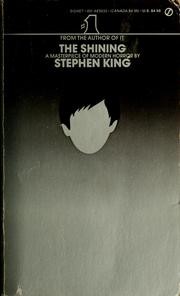
Who it’s for: Anyone who wants to know why King is the first name in horror, including people who have only seen the Kubrick film.
What it’s like: A recovering alcoholic takes a winter caretaker job at the Overlook, a Colorado mountain hotel about to be snowed in, with his wife Wendy and their psychic five-year-old, Danny. The fear grows out of the family itself: love, temper and guilt in a building that seems to listen.
Where to start: Read it straight through, then try the sequel Doctor Sleep (2013). Our Stephen King reading order shows where both sit.
2. The Haunting of Hill House by Shirley Jackson (1959)
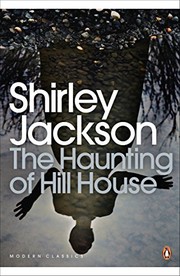
Who it’s for: Readers who like quiet, elegant scares and short books.
What it’s like: An investigator rents a notorious house for the summer and invites a few strangers, including Eleanor Vance, a lonely woman who has spent her adult life nursing her mother. The house does little you can point to; the horror is what it does to Eleanor's mind.
Where to start: Read the famous first paragraph twice. The 2018 Netflix series borrows the names but tells a different story, so the novel will still surprise you.
3. Mexican Gothic by Silvia Moreno-Garcia (2020)
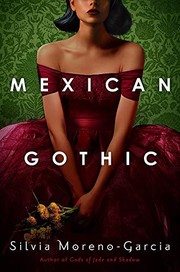
Who it’s for: Lovers of old-school gothic who want it with a modern edge. The best entry point to horror published this decade.
What it’s like: Mexico, 1950. Socialite Noemí Taboada gets a frantic letter from her newly married cousin and travels to High Place, an English family's decaying mansion in the mountains. A mannered mystery about cold rooms and strange rules turns genuinely grotesque.
Where to start: Give it a hundred pages; the slow opening pays off.
The classics that built the genre
Every later horror writer is answering these books. None of them is homework.
4. Frankenstein by Mary Shelley (1818)
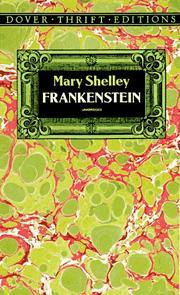
Who it’s for: Anyone who knows the monster from films and wants the sadder, smarter original.
What it’s like: A young scientist builds a living being and immediately abandons it. Told through nested letters and confessions, with a long section in the creature's own voice, it is a tragedy about responsibility and loneliness.
Where to start: Shelley revised it in 1831; either text is fine. The opening Arctic letters are brief, so keep going.
5. Dracula by Bram Stoker (1897)
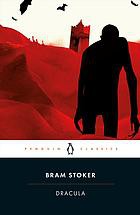
Who it’s for: Readers curious where nearly every vampire rule comes from.
What it’s like: Assembled from diaries, letters, ship's logs and newspaper clippings, it opens with solicitor Jonathan Harker travelling to Transylvania to close a property deal with a reclusive count, then becomes an ensemble hunt across England.
Where to start: The castle chapters (1 to 4) are the high point. Push through the slower middle; the last third moves fast.
6. The Turn of the Screw by Henry James (1898)
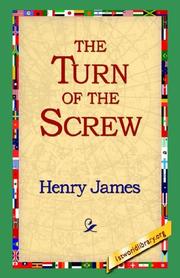
Who it’s for: People who like to argue about a book after they finish it.
What it’s like: A young governess in charge of two orphans, Miles and Flora, at a remote country house begins to see figures no one else admits to seeing. Ghosts, or a mind unravelling? James never says.
Where to start: It is a novella: one or two sittings. Read slowly, because the ambiguity lives in the long sentences.
7. Rosemary's Baby by Ira Levin (1967)
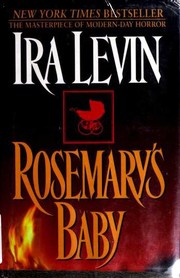
Who it’s for: Anyone who wants horror that is sharp, funny and fast.
What it’s like: Rosemary and Guy Woodhouse move into the Bramford, a gloomy old Manhattan building. The elderly neighbours are friendly, perhaps too friendly, and once Rosemary is pregnant everyone has opinions about her care. The dread is everyday: doctors, husbands and polite people who will not listen.
Where to start: Read it before the 1968 Polanski film, which follows it closely enough to spoil it.
The big supernatural novels of the 1970s and 80s
The era when horror ruled the bestseller lists.
8. The Exorcist by William Peter Blatty (1971)
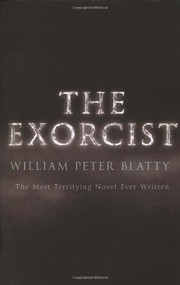
Who it’s for: Readers who can handle disturbing material and want a novel that takes faith and doubt seriously.
What it’s like: In Georgetown, actress Chris MacNeil watches her twelve-year-old daughter Regan change in ways doctors cannot explain, and a Jesuit psychiatrist who is losing his faith is drawn in. Much of it reads as a medical investigation, which makes the horror land harder.
Where to start: The first third is deliberately slow. Some scenes are graphic.
9. Pet Sematary by Stephen King (1983)
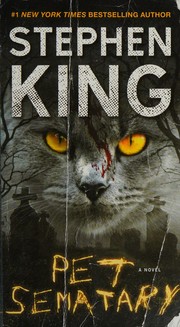
Who it’s for: Readers who want horror about grief rather than monsters. Parents find it hard to shake.
What it’s like: Doctor Louis Creed moves his young family to rural Maine, beside a road busy with speeding trucks. Behind the house a path leads to a children's pet cemetery, and beyond it to something older.
Where to start: Read it in a steady frame of mind. For more King, see our ranking of the best Stephen King books.
10. It by Stephen King (1986)
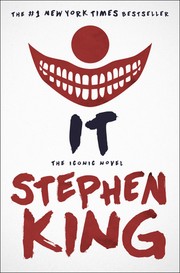
Who it’s for: Readers who like coming-of-age stories and do not mind 1,100-plus pages.
What it’s like: Seven misfit kids in Derry, Maine, face a shape-shifting evil in 1958, often in the form of a clown. Twenty-seven years later the killings start again and the adults are called home. The childhood chapters are some of King's best writing.
Where to start: If the length worries you, read The Shining first.
Psychological horror: no ghosts required
The monster is a person, or a mind.
11. Psycho by Robert Bloch (1959)
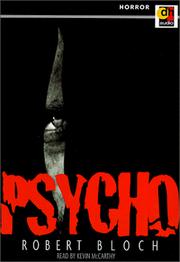
Who it’s for: Thriller readers edging toward horror, and anyone who wants a classic in one evening.
What it’s like: Norman Bates runs a failing highway motel and lives with his domineering mother in the house above it. A woman on the run checks in. Bloch drew partly on the Ed Gein case, and the book is seedier than the 1960 film.
Where to start: About 200 pages. Read it even if you know the twist; watching the setup is the fun.
12. We Have Always Lived in the Castle by Shirley Jackson (1962)
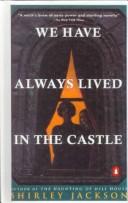
Who it’s for: Readers who like dark, slightly funny books told by someone you cannot quite trust.
What it’s like: Eighteen-year-old Merricat Blackwood lives with her gentle sister Constance and frail Uncle Julian, shut away from a village that hates them over a family tragedy six years earlier. Then a cousin arrives.
Where to start: Pair it with Hill House for a Shirley Jackson weekend.
13. The Silence of the Lambs by Thomas Harris (1988)
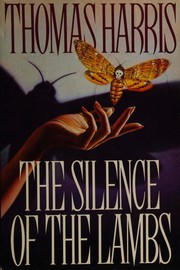
Who it’s for: Crime fans who want the moment a thriller tips into horror.
What it’s like: FBI trainee Clarice Starling interviews the imprisoned psychiatrist and murderer Hannibal Lecter, hoping he can help catch a killer the press calls Buffalo Bill. Their conversations are the heart of the book.
Where to start: It follows Red Dragon (1981) but stands alone. More in our best mystery and thriller books.
14. A Head Full of Ghosts by Paul Tremblay (2015)
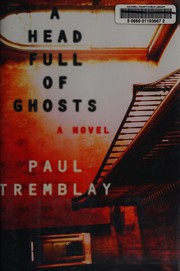
Who it’s for: Readers who enjoy questioning everything they just read.
What it’s like: A struggling Massachusetts family lets a reality TV show film the exorcism of their fourteen-year-old, Marjorie. Fifteen years later her younger sister tells the story. Possession, illness or something staged?
Where to start: Watch the narrator closely; the book rewards it.
Modern and experimental horror
Books that stretched what a horror novel can look like.
15. House of Leaves by Mark Z. Danielewski (2000)
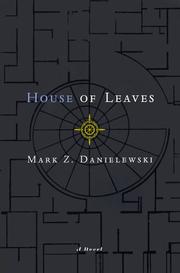
Who it’s for: Readers who like footnotes and puzzles. Not for anyone who wants a simple read.
What it’s like: A family finds their house is slightly bigger inside than out, and then a new door appears. The account comes from a blind old man's manuscript, annotated by a troubled young tattoo-shop worker; pages turn sideways and the layout itself becomes frightening.
Where to start: Follow the main account first and skim the long footnotes, then go back. Buy it in print.
16. Let the Right One In by John Ajvide Lindqvist (2004 (English 2007))
Who it’s for: Readers who want a bleak, tender vampire story. It contains child abuse and graphic violence.
What it’s like: In a grey Stockholm suburb in the early 1980s, bullied twelve-year-old Oskar befriends Eli, the strange child next door who only comes out at night, while killings shake the neighbourhood.
Where to start: Read Ebba Segerberg's English translation. The 2008 Swedish film is excellent but leaves out much of the book.
17. Bird Box by Josh Malerman (2014)
Who it’s for: People who rarely read horror and want something short and propulsive.
What it’s like: Something has arrived, and anyone who sees it is driven to violence. Malorie and two small children must travel down a river blindfolded, in chapters that alternate with the house where she survived the first months.
Where to start: Read it in as few sittings as you can. A sequel, Malorie, followed in 2020.
Horror from the 2020s
Two newer novels that already feel like keepers, alongside Mexican Gothic.
18. The Only Good Indians by Stephen Graham Jones (2020)
Who it’s for: Readers who want a strong voice and real emotional weight. It won a Bram Stoker Award.
What it’s like: Ten years after an illegal elk hunt, four Blackfeet men start to be stalked by something that has not forgotten. Jones writes friendship, family and basketball as vividly as the hunt, so the violence hurts.
Where to start: The opening chapter works almost as a stand-alone story; stick with it.
19. How to Sell a Haunted House by Grady Hendrix (2023)
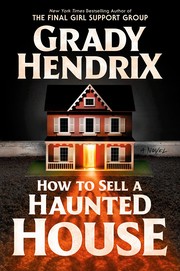
Who it’s for: Readers who find most horror too bleak.
What it’s like: After their parents die suddenly, Louise Joyner returns to Charleston and must work with her estranged brother Mark to sell the family house, which is full of their mother's puppets. The house does not want to be sold. Underneath the comedy is a sharp story about grief.
Where to start: Puppet phobics, be warned.
Literary horror
Prize-winning novels that are also ghost stories.
20. Beloved by Toni Morrison (1987)
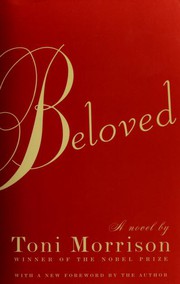
Who it’s for: Readers of serious literary fiction. It won the Pulitzer Prize.
What it’s like: After the Civil War, Sethe, who escaped slavery, lives outside Cincinnati in a house haunted by her dead child. Then a young woman calling herself Beloved appears. The ghost carries the history of slavery.
Where to start: The opening is deliberately disorienting. Let it sit; the story comes into focus.
21. The Little Stranger by Sarah Waters (2009)
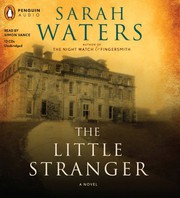
Who it’s for: Readers who like long, absorbing books. It was shortlisted for the Booker Prize.
What it’s like: After the Second World War, a country doctor is drawn into the lives of the declining family at Hundreds Hall in Warwickshire, and strange things begin to happen in the house.
Where to start: A slow burn of about 500 pages. Pay attention to how the narrator describes himself.
Horror short stories
Sample the genre a few pages at a time.
22. The Fall of the House of Usher and Other Writings by Edgar Allan Poe (1839–1846 stories)
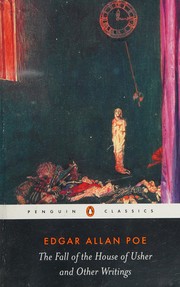
Who it’s for: Everyone, including readers who met Poe in school and did not enjoy it then.
What it’s like: Compact tales of guilt, obsession and decay, narrated by people whose minds are coming apart. Any good edition works; the Penguin Classics selection under this title is solid.
Where to start: Start with “The Tell-Tale Heart” (1843), then “The Cask of Amontillado” (1846) and “The Fall of the House of Usher” (1839).
23. Night Shift by Stephen King (1978)
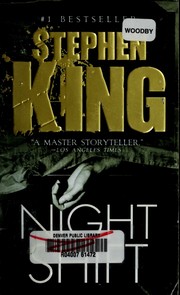
Who it’s for: New King readers not ready for a 1,000-page novel.
What it’s like: King's first collection gathers stories he sold to magazines in the 1970s: haunted machines, cursed towns and things in the basement. Several became films, including “Children of the Corn”.
Where to start: Start with “The Boogeyman” and “Quitters, Inc.”
24. Her Body and Other Parties by Carmen Maria Machado (2017)
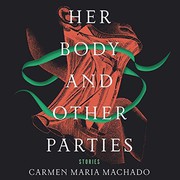
Who it’s for: Adventurous readers. It was a National Book Award finalist.
What it’s like: Eight stories blending horror, fairy tale and literary fiction about women's bodies and the people who refuse to believe them. One is written as TV episode summaries.
Where to start: Start with the opener, “The Husband Stitch”.
Which horror book should you read next?
- Never read horror before: The Shining, then Bird Box.
- Want it short: The Turn of the Screw, Psycho or We Have Always Lived in the Castle.
- Want to be truly scared: The Exorcist or Pet Sematary.
- Prefer atmosphere to gore: The Haunting of Hill House or The Little Stranger.
- Want something recent: Mexican Gothic, The Only Good Indians or How to Sell a Haunted House.
- Want a challenge: House of Leaves or Beloved.
If you came here through the films, King’s first novel has been adapted more times than most: our guide to every Carrie adaptation in order walks through all of them. For more lists like this one, browse our best book lists hub or the broader best books of all time.
FAQ
What is the best horror book of all time?
We recommend The Shining by Stephen King (1977): genuinely frightening, easy to get into and a natural doorway to the rest of the genre. Among older classics, The Haunting of Hill House (1959) and Dracula (1897) are the usual contenders.
What is the scariest horror book ever written?
Three titles readers name again and again are The Exorcist (1971), Pet Sematary (1983) and House of Leaves (2000).
What horror book should I read first?
The Shining for a full-length novel, The Haunting of Hill House for something short, or Bird Box for a fast page-turner.
Are there good horror books from the 2020s?
Yes: Mexican Gothic (2020), The Only Good Indians (2020) and How to Sell a Haunted House (2023).
What are good horror books for adults who do not like gore?
Try The Haunting of Hill House, The Turn of the Screw, We Have Always Lived in the Castle or The Little Stranger, which rely on atmosphere rather than violence.
As an Amazon Associate, we earn from qualifying purchases.