Best Book Lists
The Best Dystopian Books for Teens and Young Adults
Quick answer
The best dystopian book for teens is still The Hunger Games (2008) by Suzanne Collins: fast, smart and part of a complete series, with a listed age range of 13 to 17. For younger teens around 12, start with The Giver (1993), a short classic. For older teens who want something deeper, Scythe (2016) is the best modern pick and its trilogy is finished. Below are 17 picks with the publisher's listed age range, content notes, series length and whether the series is complete, including newer books from the 2020s.
As an Amazon Associate, we earn from qualifying purchases.
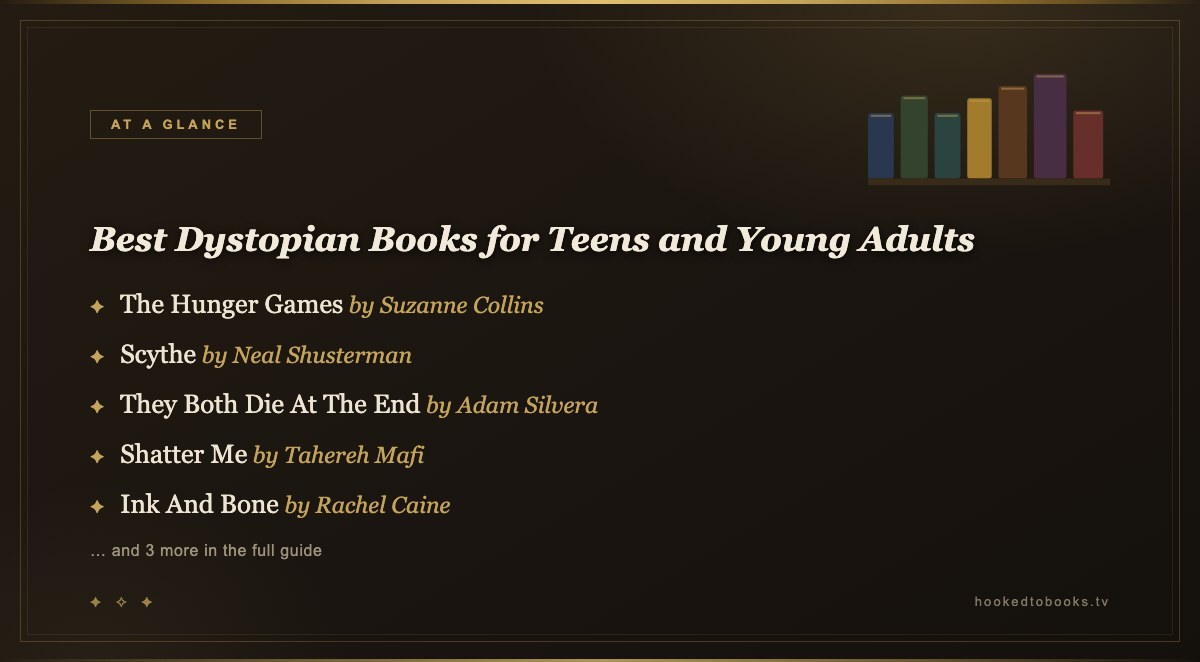
Dystopian Books for Teens at a Glance
Ages are the audience range each publisher lists for retailers. Treat them as a guide: a mature 12-year-old and a sensitive 15-year-old may need different books, which is why every pick below has content notes.
| Book | Year | Listed ages | Series | Complete? |
|---|---|---|---|---|
| The Hunger Games | 2008 | 13–17 | 5 books | Yes (trilogy plus two prequels) |
| The Giver | 1993 | 12–17 | Giver Quartet, 4 books | Yes |
| Scythe | 2016 | 12–17 | Arc of a Scythe, 3 books | Yes |
| Divergent | 2011 | 14–17 | 3 books + a story collection | Yes |
| The Maze Runner | 2009 | 12–17 | 5 books in the original series | Yes (a sequel series continues the world) |
| Legend | 2011 | 12–17 | 4 books | Yes |
| Uglies | 2005 | 12–17 | 4 books + spin-off series | Yes |
| Red Queen | 2015 | 13–17 | 4 novels + a novella collection | Yes |
| Shatter Me | 2011 | 14–17 | 6 novels + novellas | Yes |
| The Darkest Minds | 2012 | 12–17 | 4 novels + novellas | Yes |
| Unwind | 2007 | 12–17 | Unwind Dystology, 4 books + stories | Yes |
| The Marrow Thieves | 2017 | 14–17 | 2 books | Yes |
| The Grace Year | 2019 | 14–17 | Standalone | Yes |
| Dry | 2018 | 12–17 | Standalone | Yes |
| Skyhunter | 2020 | 12–17 | Duology | Yes (Steelstriker, 2021) |
| Gearbreakers | 2021 | 13–18 | Duology | Yes (Godslayers, 2022) |
| The Getaway | 2022 | 12–18 | Standalone | Yes |
Start Here: The Essential Teen Dystopias
If a teen has read none of these, begin with one of the first three.
1. The Hunger Games (2008) by Suzanne Collins
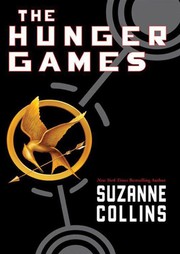
Who it's for: Almost everyone 12 and up. It is the book the whole genre is measured against, and it works for reluctant readers.
What it's like: In Panem, a nation built on the ruins of North America, twelve districts must each send two teenagers to a televised fight to the death. When her little sister's name is drawn, sixteen-year-old Katniss Everdeen volunteers in her place. Fast, first-person and present-tense, it reads like a thriller and lands as a sharp satire of reality TV and war.
Content notes: Children killing children, starvation and grief. The violence is frequent but not lingered over; romance is limited to kisses.
Where to start: Read the original trilogy first (The Hunger Games, Catching Fire, Mockingjay), then the prequels The Ballad of Songbirds and Snakes (2020) and Sunrise on the Reaping (March 18, 2025). More like it: books like The Hunger Games.
2. The Giver (1993) by Lois Lowry
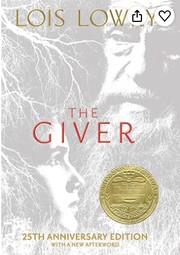
Who it's for: Younger teens (and strong readers of 11 or 12) meeting dystopia for the first time; it is a classroom staple for a reason.
What it's like: Jonas lives in a calm, orderly community with no pain, no choice and no color. At twelve he is chosen to be the Receiver of Memory and begins to learn, from an old man called the Giver, what his world gave up to stay safe. Short, quiet and devastating, it won the 1994 Newbery Medal.
Content notes: One scene reveals what the community calls "release," and it shocks many young readers. No profanity or sexual content.
Where to start: Read it as a standalone first; Gathering Blue, Messenger and Son are companion novels that eventually connect.
3. Scythe (2016) by Neal Shusterman
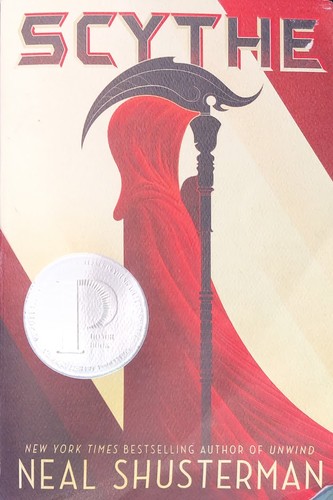
Who it's for: Thoughtful older teens, and adults who think they've outgrown YA. If you read only one modern teen dystopia, make it this.
What it's like: Humanity has conquered death, disease and hunger, and an AI called the Thunderhead runs the world kindly. To control the population, licensed scythes "glean" (permanently kill) a quota of people. Two teens, Citra and Rowan, are chosen as apprentices to a scythe and learn that only one of them will be ordained. Big ideas, real moral weight and a plot that never slows down.
Content notes: Many killings, including some mass gleanings described in detail. Little romance and no sexual content.
Where to start: Scythe, then Thunderhead (2018) and The Toll (2019). Gleanings (2022) is an optional story collection.
The Big Series Teens Still Read
The 2008–2015 wave produced the series that still fill school libraries. These are the ones that hold up.
4. Divergent (2011) by Veronica Roth
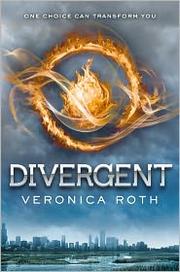
Who it's for: Teens who want action and a strong, flawed heroine, and fans of The Hunger Games looking for the next thing.
What it's like: In a future Chicago, society is split into five factions, each devoted to one virtue. At sixteen, Beatrice Prior has to choose hers for life, and her aptitude test reveals she doesn't fit any of them, which makes her dangerous. The first book is a training-camp story; the sequels go to much darker places.
Content notes: Frequent violence and deaths, an attack scene with sexual menace, and an ending to the trilogy that many readers find upsetting.
Where to start: Divergent, Insurgent, Allegiant. Four collects stories from the love interest's point of view; read it after book one or at the end.
5. The Maze Runner (2009) by James Dashner
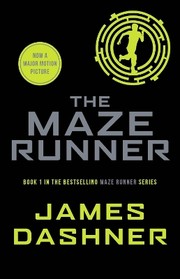
Who it's for: Readers who want pure momentum, especially boys and reluctant readers.
What it's like: Thomas wakes up in a lift with no memory except his name, delivered into the Glade, a clearing surrounded by a giant, shifting maze patrolled by creatures. The boys who live there have spent two years trying to map a way out. Then the first girl arrives, with a message.
Content notes: Violence, creature attacks and character deaths; mild made-up slang in place of swearing.
Where to start: Read in publication order: The Maze Runner, The Scorch Trials, The Death Cure, then the prequels The Kill Order and The Fever Code. The Maze Cutter (2022) starts a newer series set long afterward.
6. Legend (2011) by Marie Lu
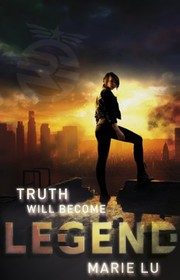
Who it's for: Fans of fast, dual-narrator thrillers.
What it's like: In a flooded, militarized Los Angeles in what used to be the western United States, June is the Republic's top-scoring prodigy and Day is its most wanted criminal. When June's brother is killed, she is sent to hunt Day down. Alternating chapters, quick action and a slow-burn romance.
Content notes: Military violence, plague and executions; light romance.
Where to start: The trilogy (Legend, Prodigy, Champion) is complete on its own; Rebel (2019) is a later epilogue novel.
7. Uglies (2005) by Scott Westerfeld
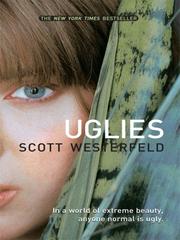
Who it's for: Middle and younger high schoolers, and anyone interested in beauty standards and social media culture.
What it's like: In Tally Youngblood's world, everyone gets an operation at sixteen that makes them beautiful and moves them to a party city across the river. Weeks before her own surgery, Tally befriends a girl who doesn't want it, and discovers what else the operation changes. It predicted a lot about filters and image culture.
Content notes: Mild violence; self-harm appears in the sequels.
Where to start: Uglies, Pretties, Specials, then Extras, which shifts to a new narrator. The Impostors books are a separate spin-off series.
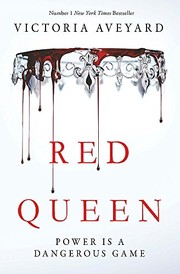
8. Red Queen (2015) by Victoria Aveyard
Who it's for: Readers who like their dystopia with palace intrigue and a little fantasy.
What it's like: Society is divided by blood: Silvers have superpowers and rule; Reds serve them. Red-blooded Mare Barrow, working as a servant in the royal palace, discovers she has a power of her own, and the royals hide her in plain sight by pretending she is a lost Silver noble.
Content notes: War violence and betrayals; romance with kissing.
Where to start: Red Queen, Glass Sword, King's Cage, War Storm. Broken Throne collects extra stories.
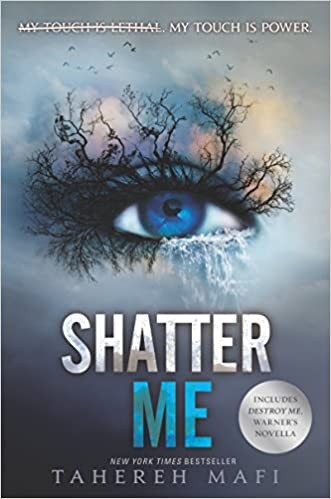
9. Shatter Me (2011) by Tahereh Mafi
Who it's for: Older teens who want romance as much as rebellion.
What it's like: Juliette's touch is lethal, and the Reestablishment has kept her locked in an asylum for almost a year. Then the regime decides she could be a weapon. Written in Juliette's fractured, poetic voice, with crossed-out sentences showing what she won't let herself think.
Content notes: Violence, abuse, and romantic scenes that become steamier in later books; better for 14 and up.
Where to start: The main story runs from Shatter Me to Imagine Me (2020); the novellas are optional.
10. The Darkest Minds (2012) by Alexandra Bracken
Who it's for: Teens who liked X-Men-style powers and road-trip stories.
What it's like: A disease killed most American children; the survivors developed abilities and were sent to brutal government "rehabilitation" camps. Sixteen-year-old Ruby has hidden what she can do for six years. When she escapes, she joins a group of runaways searching for a safe haven.
Content notes: Violence, children's deaths, and psychological manipulation.
Where to start: The original trilogy ends with In the Afterlight (2014); The Darkest Legacy (2018) is a later follow-up.
Standalones and Short Series
For readers who don't want to commit to a five-book series.
11. Unwind (2007) by Neal Shusterman
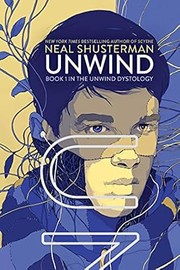
Who it's for: Teens who like a book that sparks arguments; it is great for discussion.
What it's like: After a war over reproductive rights, the compromise is chilling: parents can have a teenager between 13 and 18 "unwound," every body part transplanted into someone else, so that technically the child lives on. Three teens slated for unwinding go on the run.
Content notes: One chapter describing an unwinding is among the most disturbing in YA; violence and themes of bodily autonomy.
Where to start: Book one stands well alone; continue with UnWholly, UnSouled and UnDivided.
12. The Marrow Thieves (2017) by Cherie Dimaline
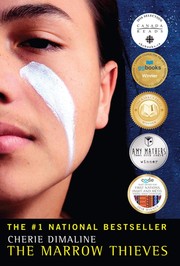
Who it's for: Older teens ready for a literary, character-driven story.
What it's like: In a climate-ravaged future, most people have lost the ability to dream, and the government hunts Indigenous people for their bone marrow, which holds the cure. Teenage Frenchie travels north through Canada with a small found family, sharing stories at night to keep their history alive. The parallels to residential schools are deliberate.
Content notes: Violence, trauma and loss.
Where to start: Followed by Hunting by Stars (2021).
13. The Grace Year (2019) by Kim Liggett
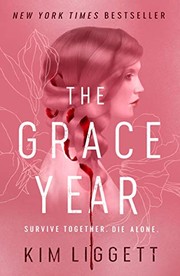
Who it's for: Older teens who liked The Handmaid's Tale or Lord of the Flies.
What it's like: In Garner County, girls are believed to hold a dangerous magic, so at sixteen they are sent into the wilderness for a year to burn it out. Not all of them come back. Tierney James wants to survive it, and to understand what the grace year is really for.
Content notes: Graphic violence, gore, attempted sexual assault and some sexual content; for mature teens.
Where to start: A standalone.
14. Dry (2018) by Neal Shusterman and Jarrod Shusterman
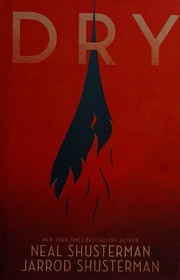
Who it's for: Teens who prefer near-future realism to far-future worlds.
What it's like: Southern California has been in drought for years. Then the taps stop altogether. Alyssa, her younger brother and a handful of neighbors have to find water as their suburb turns on itself. Told in rotating viewpoints over a few desperate days.
Content notes: Mob violence and peril; a few deaths.
Where to start: A standalone.
Newer Dystopian Books for Teens (2020s)
The genre didn't stop in 2015. These are strong recent picks.
15. Skyhunter (2020) by Marie Lu
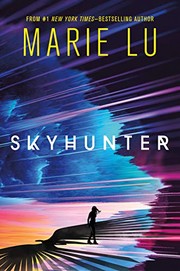
Who it's for: Readers who loved Legend and want something newer.
What it's like: Mara, a nation of refugees, is the last free country standing against the Karensa Federation, which sends genetically engineered monsters to the front. Talin, a mute refugee, fights in the elite Strikers. When a mysterious prisoner arrives from the enemy side, she is asked to trust him.
Content notes: War violence and monster attacks.
Where to start: Skyhunter, then Steelstriker.
16. Gearbreakers (2021) by Zoe Hana Mikuta
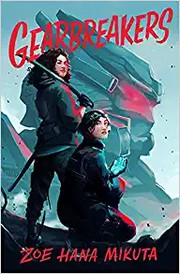
Who it's for: Older teens who like anime, mech battles and found-family banter.
What it's like: Godolia rules through Windups, giant mechs piloted by soldiers like Sona, who has been cybernetically enhanced to serve. Eris is a Gearbreaker, a rebel who takes Windups down from the inside. When Eris is captured, she discovers Sona has her own plans for revenge.
Content notes: Heavy violence and frequent swearing; queer romance.
Where to start: Gearbreakers, then Godslayers.
17. The Getaway (2022) by Lamar Giles
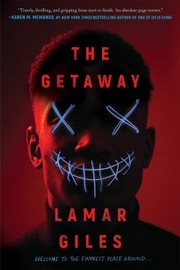
Who it's for: Younger teens and readers who like thrillers with social satire.
What it's like: Jay Barnes works at Karloff Country, a luxury resort where the super-rich come to wait out a world falling apart. At first the gates keep the chaos out. Then Jay realizes they also keep the staff in.
Content notes: Moderate violence and peril.
Where to start: A standalone.
Which Dystopian Book for Which Age?
- Ages 11 to 13: The Giver, Uglies, The Maze Runner, The Getaway, then The Hunger Games.
- Ages 13 to 15: The Hunger Games, Legend, Red Queen, Dry, Skyhunter, Scythe, Unwind.
- Ages 15 and up: Divergent, Shatter Me, The Grace Year, The Marrow Thieves, Gearbreakers, and adult classics such as Fahrenheit 451 and 1984, which many high schools assign.
Looking for a "clean" dystopian book? The Giver, Uglies, Legend and Dry have violence but little or no sexual content or strong language.
How We Chose
We chose books that teens actually finish, that are about a society gone wrong rather than just a post-apocalyptic backdrop, and that still read well today. We favored complete series, so nobody gets stranded on a cliffhanger, and added recent books alongside the 2010s favorites. Ages come from the audience range publishers supply to retailers (read from Barnes & Noble's listings in October 2026); content notes are our own. Publication years were checked against Open Library catalog records and publisher listings.
For more, see our books like The Hunger Games, the wider best young adult books list, or browse every list on our best book lists page.
Frequently Asked Questions
What is the best dystopian book for teens?
The Hunger Games (2008) is the best starting point for most teens. Scythe (2016) is the strongest modern pick for older teens.
What is a good dystopian book for a 12- or 13-year-old?
The Giver is the classic first choice. Uglies, The Maze Runner and The Getaway are also listed for readers from 12, and The Hunger Games from 13.
What are some newer dystopian books for teens?
Recent picks include Skyhunter (2020), Gearbreakers (2021), The Getaway (2022) and the Hunger Games prequel Sunrise on the Reaping (2025).
Are there clean dystopian books for teens?
Yes. The Giver, Uglies, Legend and Dry contain violence but little or no sexual content or strong language.
Which teen dystopian series are complete?
Every series on this list is finished, including The Hunger Games, Arc of a Scythe, Divergent, Legend, Red Queen and Shatter Me. The Maze Runner world continues in a newer sequel series.
What dystopian books do high schools assign?
The Giver is common in middle school; high schools often assign the adult classics Fahrenheit 451, 1984 and Brave New World.
As an Amazon Associate, we earn from qualifying purchases.