Best Books
Best Personal Finance Books
Quick answer
Read Your Money or Your Life by Vicki Robin and Joe Dominguez first. It reframes every purchase in terms of the hours of your life it actually cost to earn that money, a mental shift that holds up regardless of which specific budgeting system you end up using.
No book on this list can promise to make you rich, and we're not claiming otherwise — outcomes depend on your own income, debt and choices. This is a reading roundup, not financial advice.
As an Amazon Associate, we earn from qualifying purchases.
Personal finance books range from mindset-first (how you think about money) to tactics-first (specific steps to take this week). The six below cover both ends, and we say plainly where a book's claims have been debated rather than universally accepted.
How We Chose
Every pick had to offer a specific, explainable idea rather than vague encouragement, with lasting reader reputation. We verified every author and year against Wikipedia and Open Library as of October 2026.
Mindset first
1. Your Money or Your Life by Vicki Robin and Joe Dominguez
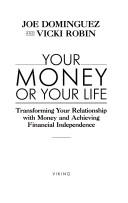
The authors walk through converting every expense into "hours of life energy" — the actual time you traded to earn that money — as a way to see spending clearly and work toward financial independence.
- Core lesson: money is a stand-in for your finite time; spend accordingly.
- Best for: anyone who wants a philosophy shift before a specific plan.
- Where to start: Your Money or Your Life (1992).
2. The Psychology of Money by Morgan Housel
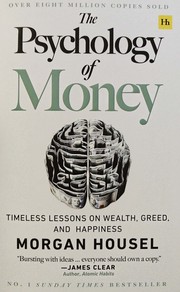
Housel argues that financial success has less to do with technical knowledge and more to do with behavior: patience, humility about luck, and not comparing yourself to people spending beyond their means.
- Core lesson: how you behave with money matters more than how much you know about it.
- Best for: readers who want short, story-driven chapters rather than formulas.
- Where to start: The Psychology of Money (2020).
Specific, step-by-step plans
3. The Total Money Makeover by Dave Ramsey
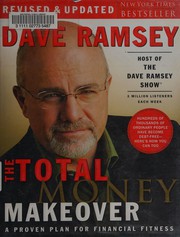
Ramsey lays out a specific, ordered sequence: a starter emergency fund, then paying off debts smallest-to-largest regardless of interest rate (the "snowball method"), then building savings and investments.
- Core lesson: a strict, specific order of operations for getting out of debt.
- Best for: readers who want a concrete plan to follow rather than a philosophy.
- Where to start: The Total Money Makeover (2003).
4. A Random Walk Down Wall Street by Burton Malkiel
Malkiel, a Princeton economist, argues that consistently beating the stock market through picking individual stocks is extremely difficult, and that low-cost index funds beat most professionally managed portfolios over time.
- Core lesson: broad, low-cost index investing beats most attempts to outsmart the market.
- Best for: readers who want the academic case for passive investing, from the economist who helped popularize it.
- Where to start: A Random Walk Down Wall Street (1973), now in a 50th-anniversary edition.
Hugely popular, with real caveats
5. Rich Dad Poor Dad by Robert Kiyosaki
Kiyosaki contrasts the financial lessons of his own father (steady job, save money) with those of a friend's wealthy father (buy assets that generate income), and argues financial literacy, not income, determines wealth.
- Core lesson: focus on acquiring assets that produce income, not just earning a salary.
- What to know before reading: it's one of the best-selling personal finance books ever, but some of Kiyosaki's specific claims and the accuracy of the "rich dad" anecdotes have been disputed by journalists over the years. Read it for the mindset shift, not as a specific investment manual.
- Where to start: Rich Dad Poor Dad (1997).
6. I Will Teach You to Be Rich by Ramit Sethi
Despite the title, Sethi's actual advice is fairly conservative: automate your savings and bill payments, pick low-cost index funds, and stop obsessing over small expenses like daily coffee in favor of the handful of decisions that actually move the needle.
- Core lesson: automate the boring stuff so good habits don't depend on willpower.
- Best for: readers in their 20s and 30s who want a practical, step-by-step setup guide.
- Where to start: I Will Teach You to Be Rich (2009).
If you only read one from each group
- Mindset first: Your Money or Your Life.
- Step-by-step plan: The Total Money Makeover.
- Investing basics: A Random Walk Down Wall Street.
Thinking about starting a business instead? See our best books for starting a business list, or browse every list on our best book lists hub.
FAQ
What is the best personal finance book to start with?
The Psychology of Money by Morgan Housel is the most commonly recommended starting point today, since it focuses on the behavior and mindset behind money decisions rather than specific tactics that go stale.
Can a book actually make you rich?
No single book can promise that, and we're not claiming any of these will. What these books offer is a framework or mindset shift around money; the results depend entirely on your own income, circumstances and choices. This is a reading roundup, not financial advice.
What is a good book about getting out of debt?
The Total Money Makeover by Dave Ramsey lays out a specific step-by-step debt payoff plan and is the most commonly recommended book for that specific goal.
What is a good beginner investing book?
A Random Walk Down Wall Street by Burton Malkiel (1973, now in a 50th-anniversary edition) is a classic, widely cited introduction to long-term, low-cost index investing.
Is Rich Dad Poor Dad considered reliable financial advice?
It's one of the best-selling personal finance books ever written and widely credited with popularizing ideas about assets versus liabilities, though some of its specific claims and the author's background have been disputed by critics and journalists over the years. Read it for the mindset shift, and verify any specific numbers elsewhere.
Six books, zero guarantees, real frameworks you can actually use. Start with Your Money or Your Life.
Want a free set of printable bookmarks?
Made for cozy readers working through a long series in order. Print at home, cut, and slip one into whatever you're reading tonight. They're free. Then browse all our reading-order guides.
Get the free bookmarks →As an Amazon Associate, we earn from qualifying purchases.