Best Books
Best Spy Novels of All Time
Quick answer
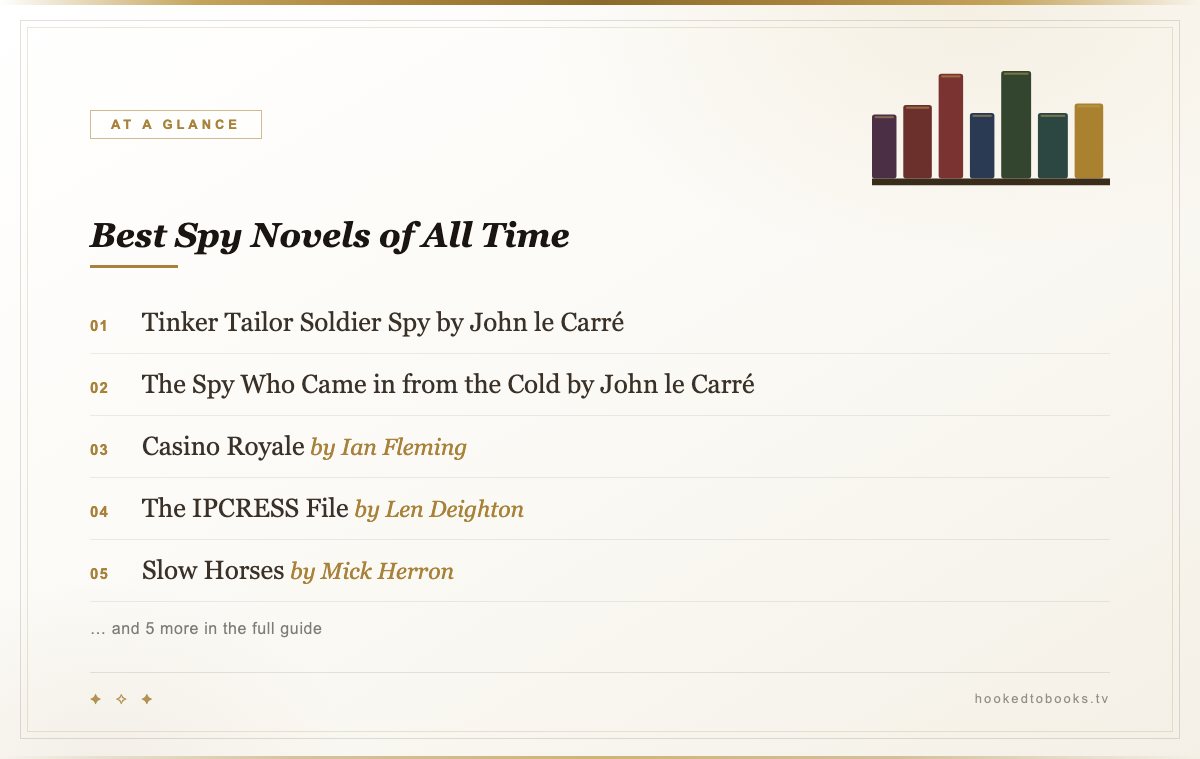
Read Tinker Tailor Soldier Spy by John le Carré first. It is the novel against which every other spy novel gets measured: a retired officer, George Smiley, is pulled back in to find a Soviet mole inside British intelligence, with no gunfights and no gadgets, just patient tradecraft and betrayal.
The 3-book shortlist: Tinker Tailor Soldier Spy (the cerebral classic), Casino Royale by Ian Fleming (the glamorous, plot-driven original) and Slow Horses by Mick Herron (the modern favorite, now an Apple TV+ hit).
As an Amazon Associate, we earn from qualifying purchases.
“Spy novel” covers more ground than it sounds like: Cold War mole hunts, glamorous action thrillers, modern bureaucratic comedies about the agents nobody wants, and literary novels that just happen to involve intelligence work. We grouped the ten picks below by what kind of spy story you actually want, so you can skip straight to it.
How We Chose
We weighed critical reputation, lasting influence on the genre, and what each book is actually like to read today, then checked every author, year and series detail against Open Library and, where available, the publisher or author's own listing as of October 2026. We left out several widely loved series (Vince Flynn, Brad Thor) where we could not independently verify specific facts to our standard in time for this list; we would rather ship ten verified picks than twenty guesses.
If you want the Cold War classics
1. Tinker Tailor Soldier Spy by John le Carré
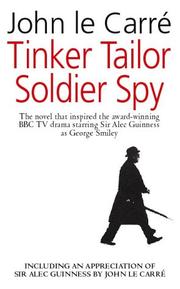
George Smiley, forced out of “the Circus” in disgrace, is quietly brought back to find which of four suspects at the top of British intelligence is working for Moscow.
- Who it's for: readers who want spycraft as office politics and patience, not action. If you liked Slow Horses, this is the straight-faced ancestor.
- What it's like: slow, dense, and rewarding on a reread; le Carré worked for British intelligence himself and it shows in the procedural detail.
- Where to start: Tinker Tailor Soldier Spy (1974), the first of the Karla trilogy, followed by The Honourable Schoolboy (1977) and Smiley's People (1979).
2. The Spy Who Came in from the Cold by John le Carré
An aging British agent is sent on one last mission into East Germany, in a story le Carré wrote specifically to show how ugly and morally compromised Cold War espionage actually was.
- Who it's for: readers who want the bleakest, least romantic version of the spy novel. There is no glamour here at all.
- What it's like: short, devastating, and considered by many critics (including Graham Greene, who called it “the best spy story I have ever read”) the high point of the genre.
- Where to start: The Spy Who Came in from the Cold (1963), a standalone that predates the Karla trilogy.
3. Casino Royale by Ian Fleming
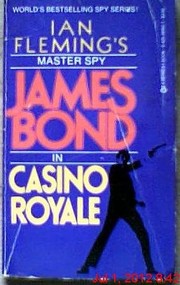
James Bond is sent to bankrupt a Soviet financier at the baccarat table, in the book that introduced the character readers now know mostly from the films.
- Who it's for: readers who want the glamorous, plot-driven side of the genre — the spy novel as adventure rather than moral study.
- What it's like: leaner and colder than the films, with a genuinely brutal torture sequence and an ending that sets up Bond's entire emotional arc.
- Where to start: Casino Royale (1953), the first of 14 Bond books by Fleming.
4. The IPCRESS File by Len Deighton
An unnamed, working-class British agent investigates the disappearance of scientists, in a story written as the deliberate antidote to Bond's glamour.
- Who it's for: readers who want the Cold War told from street level — paperwork, expense reports and all — rather than through a gentleman spy.
- What it's like: wry, dense and occasionally confusing on purpose; it rewards patience the same way le Carré does, with more dry humor.
- Where to start: The IPCRESS File (1962), first of the loosely connected Harry Palmer novels.
If you want a modern ongoing series
5. Slow Horses by Mick Herron
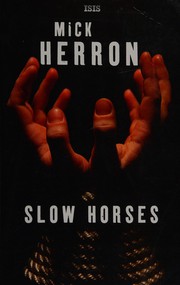
Slough House is where MI5 dumps the agents it cannot fire but will not let near real work — until one of them stumbles into an actual conspiracy.
- Who it's for: readers who want sharp, funny, cynical spy fiction with real stakes underneath the jokes. The basis for the Apple TV+ show with Gary Oldman as Jackson Lamb.
- What it's like: fast and bitterly funny, with genuine tension and a body count that keeps you from getting too comfortable with any one character.
- Series status: nine novels as of 2026, from Slow Horses (2010) to Clown Town (2025), plus five shorter novellas. The TV series follows the books roughly in order, season by season.
- Where to start: Slow Horses (2010).
6. The Kill Artist by Daniel Silva
Gabriel Allon, an Israeli intelligence operative who restores old master paintings as a cover, is pulled back into service to hunt a Palestinian terrorist planning a political assassination.
- Who it's for: readers who want tradecraft and action in roughly equal measure, with a recurring hero you can follow across dozens of books.
- What it's like: propulsive and research-heavy, often built around real-world art, religion or current events.
- Series status: ongoing and prolific — more than two dozen novels as of 2026, with a new entry most years.
- Where to start: The Kill Artist (2000), book one, in publication order.
If you want a standalone you can finish in a week
7. Munich by Robert Harris
Two former Oxford friends, now on opposite sides as Chamberlain and Hitler negotiate the 1938 Munich Agreement, try to pass intelligence that might stop a war.
- Who it's for: readers who like their spy fiction grounded in real, well-researched history rather than invented Cold War plotting.
- What it's like: tense despite the reader already knowing the historical outcome; Harris is known for making real events feel like a countdown.
- Where to start: it is a standalone. Munich (2017).
8. The Tourist by Olen Steinhauer
Milo Weaver, a former CIA field agent (a “Tourist” in agency slang) now working a desk job, is pulled back into the field when an old target resurfaces.
- Who it's for: readers who want a modern, post-9/11 CIA story with real moral ambiguity about what the work does to people.
- What it's like: tightly plotted and a little bleak, closer to le Carré than to Bond.
- Series status: the start of the Milo Weaver trilogy, continued in The Nearest Exit and An American Spy.
- Where to start: The Tourist (2009).
9. Transcription by Kate Atkinson
Juliet Armstrong, recruited into MI5 as a teenager during WWII to transcribe recordings of British Nazi sympathizers, finds the consequences of that work catching up with her a decade later.
- Who it's for: readers who want literary fiction with a spy-novel structure, and a female lead who is rare in the genre's classics.
- What it's like: dry, wry and told out of sequence, more about memory and compromise than tradecraft.
- Where to start: it is a standalone. Transcription (2018).
10. Red Sparrow by Jason Matthews
A Russian intelligence officer is sent to a “Sparrow School” that trains operatives in seduction and manipulation, and is set against a CIA handler in a dangerous mutual recruitment.
- Who it's for: readers who want current, technically detailed tradecraft from someone who actually did the job; Matthews was a career CIA officer.
- What it's like: procedural and explicit about intelligence methods, adapted into a 2018 film starring Jennifer Lawrence.
- Series status: first of a trilogy, followed by Palace of Treason and The Kremlin's Candidate.
- Where to start: Red Sparrow (2013).
If you only read one from each group
- Cold War classic: Tinker Tailor Soldier Spy.
- Modern series: Slow Horses.
- One-week standalone: Munich.
Want more thrillers in this lane? See our best Tom Clancy books guide, or browse every list on our best book lists hub.
FAQ
What is the best spy novel of all time?
Tinker Tailor Soldier Spy by John le Carré is the most consistently named best spy novel: a slow-burn mole hunt inside British intelligence with no gadgets and no action scenes, just tradecraft and betrayal.
What should I read if I liked Slow Horses?
Tinker Tailor Soldier Spy for the same institutional, bureaucratic spy world played straight, or The Kill Artist by Daniel Silva if you want more action alongside the tradecraft.
What order should I read Daniel Silva's Gabriel Allon books in?
Start with The Kill Artist (2000), the first book. The series is best read in publication order since Allon's family history and career carry across all 26-plus novels.
Are John le Carré's books connected?
Some are. Tinker Tailor Soldier Spy, The Honourable Schoolboy and Smiley's People form the Karla trilogy and are best read in that order. The Spy Who Came in from the Cold is an earlier standalone set in the same fictional intelligence service.
What is a good spy novel for someone who has never read one?
Casino Royale is the shortest and most plot-driven entry point. For something more character-driven but still accessible, start with Slow Horses.
Ten novels, four different kinds of spy story. Start with Tinker Tailor Soldier Spy if you want the genre's high-water mark, or Slow Horses if you want to start with what is current.
Want a free set of printable bookmarks?
Made for cozy readers working through a long series in order. Print at home, cut, and slip one into whatever you're reading tonight. They're free. Then browse all our reading-order guides.
Get the free bookmarks →As an Amazon Associate, we earn from qualifying purchases.