Best Books
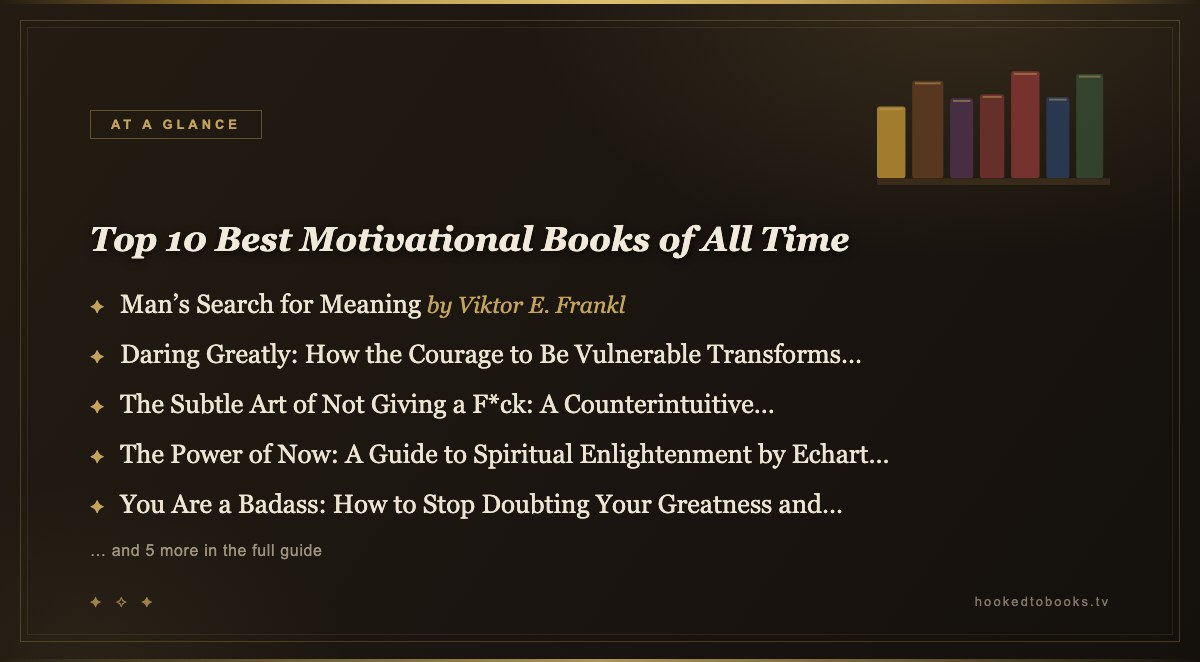
Best Motivational Books of All Time
Quick answer
Read Atomic Habits by James Clear first. It's the most practical modern entry in this genre: instead of telling you to want success harder, it gives you a specific system for building habits in small, repeatable steps.
The 3-book shortlist: Atomic Habits (the practical system), Think and Grow Rich by Napoleon Hill (the historical classic everything else responds to) and Can't Hurt Me by David Goggins (for readers who want intensity over gentleness).
As an Amazon Associate, we earn from qualifying purchases.
Motivational books get a bad reputation for being vague hype, so we picked specifically for ones with a real, repeatable idea at the center — something you could actually explain to a friend after finishing, not just a feeling. The nine below range from a 1930s classic to research-backed psychology to one very intense memoir.
How We Chose
Every pick had to have a specific, nameable core idea (a system, a mental model, a researched concept) rather than general encouragement, and real staying power — either decades of continued sales or a strong, specific research basis. We verified every author and year against Wikipedia and Open Library as of October 2026.
If you want a practical system
1. Atomic Habits by James Clear
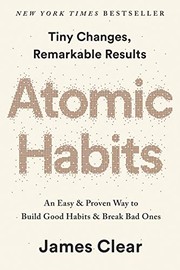
The core idea: small, 1% habit changes compound into major results over time, and the way to actually build a habit is to make it obvious, attractive, easy and satisfying.
- Who it helps most: readers who've tried willpower-based goal-setting and watched it fail by February.
- What it's like: structured and example-heavy, closer to a practical manual than an inspirational read.
- Where to start: Atomic Habits (2018), a standalone.
2. Think and Grow Rich by Napoleon Hill
The core idea: that focused desire, specific plans and persistence, applied deliberately, produce success in business and life — built from Hill's interviews with wealthy figures of his era.
- Who it helps most: readers who want to understand where a century of self-help language actually comes from.
- What it's like: dated in places (some of its framing reflects its 1930s origins), but still the direct ancestor of nearly every modern success book.
- Where to start: Think and Grow Rich (1937), a standalone.
3. How to Win Friends and Influence People by Dale Carnegie
The core idea: genuine interest in other people, remembering names, and avoiding direct criticism will get you further than being right or being clever.
- Who it helps most: readers who want to improve relationships and professional standing specifically, not just general motivation.
- What it's like: anecdote-driven, with short, digestible chapters built around specific techniques.
- Where to start: How to Win Friends and Influence People (1936), a standalone.
4. The 7 Habits of Highly Effective People by Stephen Covey
The core idea: lasting effectiveness comes from character-based habits (be proactive, begin with the end in mind, put first things first) rather than quick personality tricks.
- Who it helps most: readers who want a values-based framework they can apply to both work and personal life at once.
- What it's like: structured around the seven numbered habits, with worksheets and exercises built in.
- Where to start: The 7 Habits of Highly Effective People (1989), a standalone.
If you want the research behind the motivation
5. Mindset by Carol Dweck
The core idea: people who believe abilities can be developed (a "growth mindset") achieve more than those who believe talent is fixed, based on Dweck's own research as a Stanford psychologist.
- Who it helps most: readers, parents and teachers who want a research framework for how praise and failure shape long-term performance.
- What it's like: academic in origin but written for a general audience, with real studies cited throughout.
- Where to start: Mindset: The New Psychology of Success (2006), a standalone.
6. Grit by Angela Duckworth
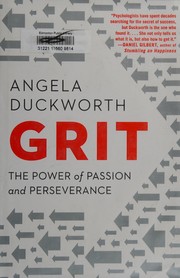
The core idea: passion combined with sustained perseverance toward long-term goals (what Duckworth calls "grit") predicts success better than raw talent does.
- Who it helps most: readers who've been told they're "not talented enough" at something and want a research-backed counterargument.
- What it's like: part memoir (Duckworth's own career shift into psychology), part research summary.
- Where to start: Grit: The Power of Passion and Perseverance (2016), a standalone.
If you want intensity, not gentleness
7. Can't Hurt Me by David Goggins
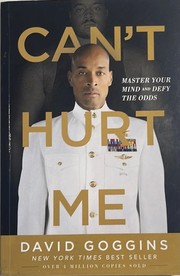
Goggins, a former Navy SEAL and ultra-endurance athlete, tells his own story of extreme childhood hardship and how he rebuilt himself through punishing physical and mental discipline, built around his "40% rule": when you think you're done, you're actually only 40% done.
- Who it helps most: readers who respond to tough, confrontational motivation rather than gentle encouragement.
- What it's like: graphic about his hardship and blunt in tone, interspersed with "challenge" call-outs directed at the reader.
- Where to start: Can't Hurt Me (2018), a standalone.
8. You Are a Badass by Jen Sincero
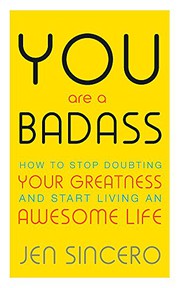
A breezy, irreverent take on self-help that blends practical exercises with mindset work, aimed squarely at readers who find most motivational books too stiff or self-serious.
- Who it helps most: readers who've bounced off more formal self-help books and want something conversational and funny instead.
- What it's like: short chapters, casual profanity, and a tone closer to a blunt friend than a guru.
- Where to start: You Are a Badass (2013), a standalone.
If you want motivation wrapped in a story
9. The Alchemist by Paulo Coelho
A shepherd boy travels from Spain to Egypt chasing a recurring dream, learning along the way to read omens and pursue what Coelho calls his "Personal Legend" — the thing he is meant to do with his life.
- Who it helps most: readers who want their motivation delivered as parable and story rather than direct instruction.
- What it's like: short, fable-like and simply written, closer to a modern myth than a conventional novel.
- Where to start: The Alchemist (1988), a standalone.
If you only read one from each group
- Practical system: Atomic Habits.
- Research-backed: Mindset.
- Intensity: Can't Hurt Me.
- Story form: The Alchemist.
Want more on building better habits specifically? See our best self-help books list, or browse every list on our best book lists hub.
FAQ
What is the most motivational book of all time?
Think and Grow Rich by Napoleon Hill (1937) is the most historically influential motivational book, though Atomic Habits by James Clear is the most commonly recommended modern pick.
What is a good motivational book about building habits?
Atomic Habits by James Clear (2018) is built entirely around small, compounding habit changes rather than big willpower-driven goals.
What motivational book is based on science, not just opinion?
Mindset by Carol Dweck and Grit by Angela Duckworth are both written by research psychologists and grounded in their own studies, rather than personal success stories alone.
What is a good motivational book for someone going through hardship?
Can't Hurt Me by David Goggins is built around his own extreme personal hardship and how he pushed through it, which resonates with readers facing their own difficult circumstances.
Is The Alchemist a motivational book?
It's technically a novel, but it's widely read as motivational fiction: a shepherd's journey to follow his "Personal Legend" functions as an extended parable about pursuing your purpose.
Nine books, nine different ways to get moving. Start with Atomic Habits if you want a system, or Can't Hurt Me if you want a push.
Want a free set of printable bookmarks?
Made for cozy readers working through a long series in order. Print at home, cut, and slip one into whatever you're reading tonight. They're free. Then browse all our reading-order guides.
Get the free bookmarks →As an Amazon Associate, we earn from qualifying purchases.