Best Book Lists
The Best Agatha Christie Books of All Time, Ranked
Quick answer
The best Agatha Christie book, and the best one to read first, is And Then There Were None (1939). Ten strangers are trapped on an island and die one by one. It has no series detective, so you need no background, and the Christie estate calls it the best-selling crime novel ever written. Next, read The Murder of Roger Ackroyd (1926) or Murder on the Orient Express (1934) to meet Hercule Poirot, and A Murder Is Announced (1950) to meet Miss Marple. Every pick below is spoiler-free.
As an Amazon Associate, we earn from qualifying purchases.
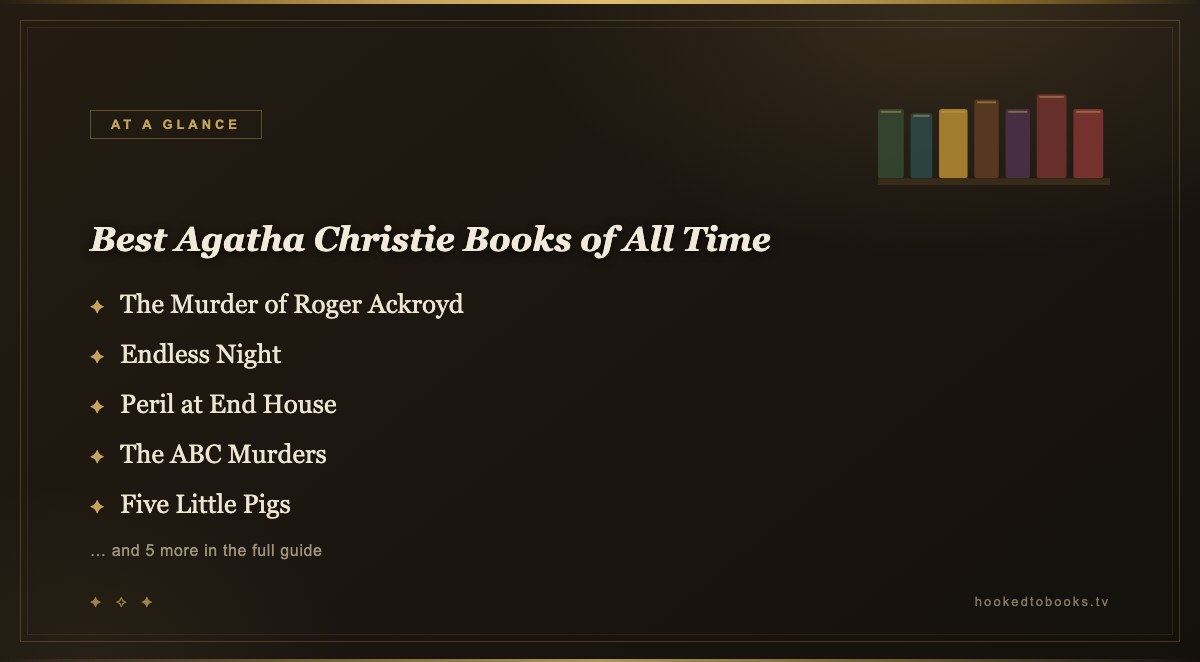
The best Agatha Christie books at a glance
| # | Title | Year | Detective |
|---|---|---|---|
| 1 | And Then There Were None | 1939 | Standalone |
| 2 | The Murder of Roger Ackroyd | 1926 | Hercule Poirot |
| 3 | Murder on the Orient Express | 1934 | Hercule Poirot |
| 4 | A Murder Is Announced | 1950 | Miss Marple |
| 5 | Five Little Pigs | 1942 | Hercule Poirot |
| 6 | Death on the Nile | 1937 | Hercule Poirot |
| 7 | The ABC Murders | 1936 | Hercule Poirot |
| 8 | Crooked House | 1949 | Standalone |
| 9 | The Body in the Library | 1942 | Miss Marple |
| 10 | Endless Night | 1967 | Standalone |
| 11 | Peril at End House | 1932 | Hercule Poirot |
| 12 | The Murder at the Vicarage | 1930 | Miss Marple |
| 13 | Evil Under the Sun | 1941 | Hercule Poirot |
| 14 | 4.50 from Paddington | 1957 | Miss Marple |
| 15 | Ordeal by Innocence | 1958 | Standalone |
| 16 | Curtain | 1975 | Hercule Poirot |
How we chose
Christie wrote 66 detective novels, and a reader looking for “the best” usually wants two things: the books that deliver the biggest surprise, and a sensible first step. We ranked on the quality of the puzzle (is the solution both shocking and fair?), on how well a book works for a new reader, and on reputation, using two public signals: the 2015 World’s Favourite Christie vote run by her estate, and the Crime Writers’ Association’s 2013 vote. We balanced the list across Poirot, Marple and her standalones so you can find your way in whichever door suits you.
One house rule: no spoilers. Each entry gives you the setup and the mood, never the solution, and we skipped books whose premise gives the game away.
The 16 best Agatha Christie novels
1. And Then There Were None (1939)
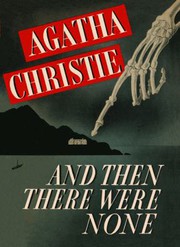
Who it’s for: Everyone, and above all first-time Christie readers and anyone who thinks they can’t be fooled.
What it’s like: Ten strangers accept invitations to a house on an island off the Devon coast. Their host never shows up, a recorded voice accuses each of them of a past crime, and then the guests start dying, one at a time, in step with a nursery rhyme framed in every bedroom. There is no detective, so nobody is safe, and the dread builds chapter by chapter. The Christie estate calls it the best-selling crime novel of all time, and in 2015 readers voted it the World’s Favourite Christie.
Where to start: Read it first. It needs no background and shows you exactly what Christie does better than anyone. See it on Amazon.
2. The Murder of Roger Ackroyd (1926)
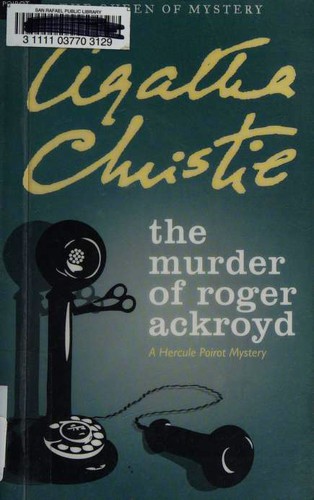
Who it’s for: Readers who love a puzzle and want to see the book that changed the rules of the genre.
What it’s like: In the village of King’s Abbot, a wealthy widow dies, a rich man is stabbed in his study the next evening, and Poirot, retired and trying to grow vegetable marrows next door, is drawn back into work. Christie’s ending caused a row in 1926 and is still argued about. In 2013 the members of the Crime Writers’ Association voted it the best crime novel ever written.
Where to start: It works as your first Poirot. Read it before anyone can spoil it for you; avoid reviews and introductions. See it on Amazon.
3. Murder on the Orient Express (1934)
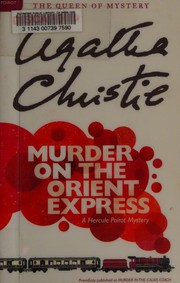
Who it’s for: Readers who want the classic locked-room setup and the best-known Poirot case.
What it’s like: A snowdrift halts the Simplon-Orient Express in the Balkans, and in the morning an American passenger is found stabbed in his compartment. The killer must still be on board, and there are a dozen passengers from a dozen walks of life, every one with a ready answer. Poirot interviews them one by one in a dining car turned courtroom. It is compact, elegant and fair, and the solution is one of the most famous in fiction.
Where to start: A great first Poirot, especially if you haven’t seen a film version. If you have, start with Roger Ackroyd instead. See it on Amazon.
4. A Murder Is Announced (1950)
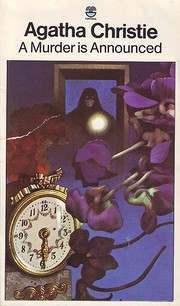
Who it’s for: Readers who want village life, sharp social comedy and an older detective who sees what everyone else misses.
What it’s like: An advert in the local paper of Chipping Cleghorn announces that a murder will take place at Little Paddocks on Friday evening. Neighbours turn up for what they assume is a party game; the lights go out and shots are fired. Miss Marple, staying nearby, starts asking gentle questions. It is a portrait of post-war England, full of ration books, shortages and a changing village, and it is the best place to see Marple at work.
Where to start: Our pick for your first Marple. The Marple books barely depend on each other. See it on Amazon.
5. Five Little Pigs (1942)
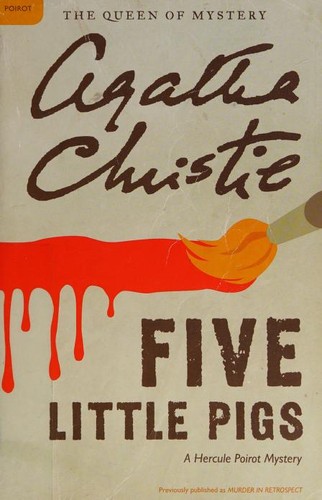
Who it’s for: Readers who like psychology and character over gimmicks, and anyone who thinks Christie couldn’t write people.
What it’s like: Sixteen years after Caroline Crale was convicted of poisoning her husband, a painter, her grown daughter asks Poirot to find out what really happened. There is no fresh crime scene: just five people who were there that summer, each asked to remember and to write it down. Poirot works purely by listening. Many Christie fans rank it as her most moving novel.
Where to start: Best read after one or two other Poirots, so you appreciate how differently it is built. See it on Amazon.
6. Death on the Nile (1937)
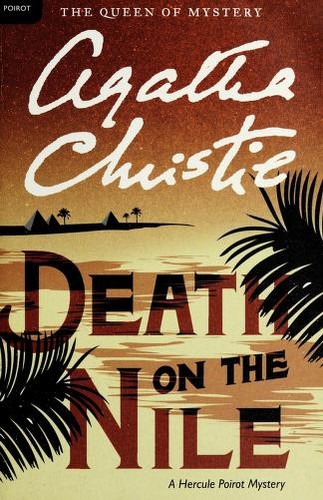
Who it’s for: Readers who want a lush, glamorous setting and a big cast to suspect.
What it’s like: Linnet Doyle, a young heiress who seems to have everything, is on her honeymoon aboard a Nile steamer. Her former friend, whose fiancé Linnet married, is following them up the river. Poirot is on board for a holiday. The first half is a slow build of jealousy and money; the second half is a tight shipboard investigation.
Where to start: Read it after Orient Express. It is one of her longest novels, so give it a few chapters to warm up. See it on Amazon.
7. The ABC Murders (1936)
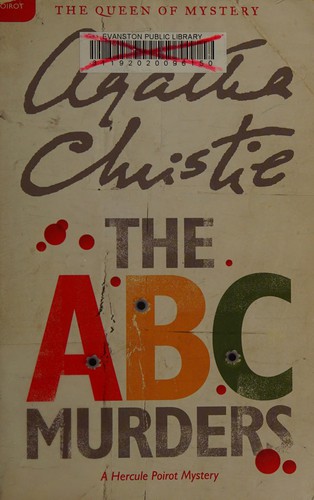
Who it’s for: Readers who like a race against the clock, and fans of modern serial-killer thrillers who want to see an early example.
What it’s like: Poirot receives a letter signed “ABC” naming a town and a date. A murder follows there, with an ABC railway guide left beside the body, and then another letter arrives. Captain Hastings narrates as Poirot tries to get ahead of a killer who seems to be working through the alphabet. Christie plays brilliantly with what a reader expects from this kind of story.
Where to start: Any time after your first Poirot. Hastings fans will enjoy his return. See it on Amazon.
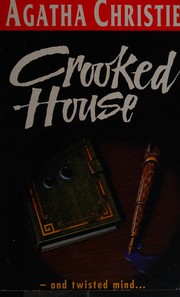
8. Crooked House (1949)
Who it’s for: Readers who like family secrets and claustrophobic houses.
What it’s like: Aristide Leonides, an elderly Greek-born millionaire, is poisoned in the rambling house he shares with three generations of his family. The narrator, Charles, wants to marry Leonides’s granddaughter Sophia, but she won’t until the killer is found. Everyone in the house has a motive and an alibi that doesn’t quite hold. Christie herself listed it among her ten favourites.
Where to start: Standalone, so you can read it anytime. Good second Christie after And Then There Were None. See it on Amazon.
9. The Body in the Library (1942)
Who it’s for: Readers who want a lighter, funnier Marple with a classic hook.
What it’s like: Colonel and Mrs Bantry wake up to find the body of a young woman in a platinum-blonde evening dress on their library hearthrug. Nobody in the house has ever seen her. Mrs Bantry calls her friend Jane Marple, and the trail leads to a seaside hotel. Christie takes the most clichéd setup in detective fiction and has great fun with it.
Where to start: Read it after A Murder Is Announced, or first if you want a shorter, brighter introduction to Marple. See it on Amazon.
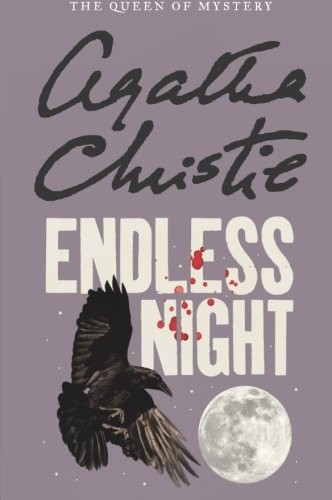
10. Endless Night (1967)
Who it’s for: Readers who think they know Christie, and fans of psychological suspense.
What it’s like: Michael Rogers, a restless young man with few prospects, falls for a piece of land with a bad reputation and for an American heiress, Ellie. They build a dream house there, despite warnings from a local woman. It is a slow-burn story of love and foreboding, closer to a modern psychological thriller than a whodunit. In 1972 Christie named it her own favourite at that moment.
Where to start: Read it once you have a few classic Christies behind you. It hits harder when you know her usual moves. See it on Amazon.
11. Peril at End House (1932)
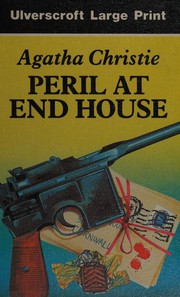
Who it’s for: Readers who want a breezy, short Poirot with a seaside setting.
What it’s like: On holiday in Cornwall, Poirot meets Nick Buckley, a young woman who laughs off three narrow escapes from death in as many days. Poirot doesn’t laugh. He decides to stop a murder before it happens, and finds that much harder than solving one. It is quick and full of misdirection, a good warm-up for the bigger cases.
Where to start: An easy early Poirot; read it whenever you want something short. See it on Amazon.
12. The Murder at the Vicarage (1930)
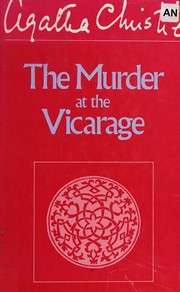
Who it’s for: Readers who want to meet Miss Marple at the start, and anyone who enjoys a narrator with a dry sense of humour.
What it’s like: The village of St Mary Mead is full of people who dislike Colonel Protheroe, so when he is found shot dead in the vicar’s study there are suspects to spare. The vicar tells the story, and his elderly neighbour Miss Marple keeps turning out to be right. This is her first full-length novel, and it sets up the village she returns to again and again.
Where to start: The first Marple novel. Read it first if you like reading series from the beginning. See it on Amazon.
13. Evil Under the Sun (1941)
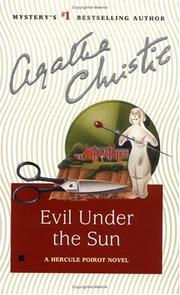
Who it’s for: Readers who want a summer read: a beach, a hotel, a tidy puzzle.
What it’s like: At a hotel on a small island off the Devon coast, a glamorous actress who has upset most of the other guests is found strangled on a secluded beach. Poirot is there on holiday and has watched the tensions building. It is a clockwork plot with a timetable you can try to solve yourself.
Where to start: Read it any time after a couple of Poirots. See it on Amazon.
14. 4.50 from Paddington (1957)
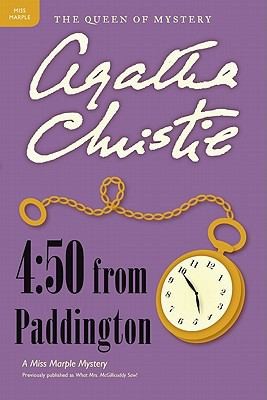
Who it’s for: Readers who like an unusual setup and a strong second lead.
What it’s like: From her own train, Elspeth McGillicuddy sees a woman being strangled in a carriage on a passing train. No body is found, and nobody believes her except her friend Miss Marple. Marple sends Lucy Eyelesbarrow, a brilliant professional housekeeper, to take a job at a country house beside the railway line to look for evidence. Lucy is one of Christie’s most likeable characters.
Where to start: A good second Marple; it stands on its own. See it on Amazon.
15. Ordeal by Innocence (1958)
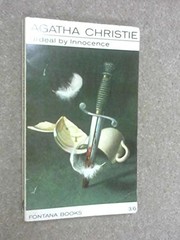
Who it’s for: Readers who want a quieter, more serious Christie about guilt and families.
What it’s like: Jacko Argyle was convicted of murdering his adoptive mother and died in prison. Two years later a stranger arrives with proof that Jacko could not have done it, and the family is not grateful: if Jacko is innocent, the killer is one of them. Christie named it among her personal favourites, and its question, what does the truth cost, sticks with you.
Where to start: Standalone; read it anytime after you know her style. See it on Amazon.
16. Curtain (1975)
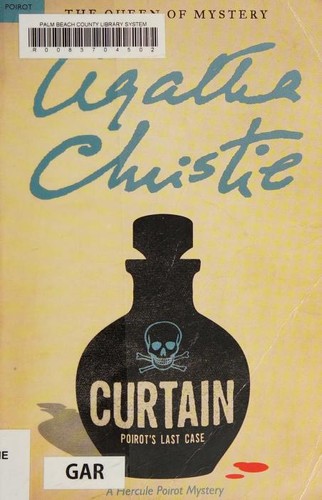
Who it’s for: Poirot readers who have followed him through several books.
What it’s like: Poirot and Hastings return to Styles, the country house where their first case took place, now a guest house. Poirot is old and frail, and he tells Hastings that someone staying there has been behind several deaths and is about to strike again. Christie wrote it during the Second World War and kept it in a bank vault for more than thirty years before it was published.
Where to start: Read this one last. It was always meant as Poirot’s final case, so save it until you have read plenty of the others. See it on Amazon.
Poirot, Marple or a standalone?
- Hercule Poirot is the Belgian detective with the moustache and the “little grey cells”. His books have the cleverest puzzles and the widest range of settings, from trains to Nile steamers. Start with Murder on the Orient Express or The Murder of Roger Ackroyd. His first case, The Mysterious Affair at Styles (1920), was also Christie’s first novel; it is worth reading but not her best.
- Miss Marple is an elderly woman from the village of St Mary Mead who solves crimes because she knows how people behave. Her books are cosier and more about community and character. Start with A Murder Is Announced. Our Miss Marple books in order guide lists all twelve novels and where the new one fits.
- Standalones have no series detective and often the darkest twists, because no character is safe. Start with And Then There Were None, then Crooked House.
Where to start: a five-book path
- And Then There Were None: pure suspense, no detective.
- Murder on the Orient Express: Poirot at his most famous.
- A Murder Is Announced: Miss Marple at her best.
- The Murder of Roger Ackroyd: the twist people still argue about.
- Five Little Pigs: Christie at her most human.
After that, pick by mood: holiday settings (Death on the Nile, Evil Under the Sun, Peril at End House), country-house dread (Crooked House, Ordeal by Innocence), or something unsettling (Endless Night). Save Curtain for last.
Confirmed Miss Marple has a new case: Lucy Foley’s Murder at the Grand Alpine Hotel, the first full-length Marple novel in fifty years, was published in the US on September 22, 2026 (agathachristie.com; NPR, September 20, 2026).
If you like Christie’s fair-play puzzles, try our best mystery and thriller books list. For a modern village mystery series, see the Louise Penny books in order. For something cosier, try the Miranda James books in order. Christie also makes a strong book-club choice; see our best books for book clubs.
FAQ
What is Agatha Christie’s best book?
Our pick is And Then There Were None (1939). It won the 2015 World’s Favourite Christie vote. The Murder of Roger Ackroyd (1926) is the critics’ choice: the Crime Writers’ Association voted it the best crime novel ever in 2013.
What is Agatha Christie’s most famous book?
Murder on the Orient Express (1934) and And Then There Were None (1939) are her two most famous novels. Orient Express is the best-known Poirot case, helped by several film versions.
What is Agatha Christie’s best-selling novel?
And Then There Were None. The Christie estate describes it as the best-selling crime novel of all time.
Which Agatha Christie book should I read first?
Start with And Then There Were None, which needs no background. To meet Poirot first, read Murder on the Orient Express or The Murder of Roger Ackroyd. To meet Miss Marple first, read A Murder Is Announced.
Do I need to read the Poirot or Marple books in order?
No. Almost every Christie mystery stands alone. The exception is Curtain, Poirot’s final case, which you should save until last. The Marple novels are also easy to read out of order; our Miss Marple reading order lists them all.
How many books did Agatha Christie write?
The Christie estate counts 66 detective novels, along with short-story collections, plays and other books. Twelve of the novels feature Miss Marple.
Is there a new Miss Marple book?
Yes. Lucy Foley’s Murder at the Grand Alpine Hotel was published in the US on September 22, 2026, as the first full-length Miss Marple novel in fifty years.
Looking for more? Browse all of our best book lists.
As an Amazon Associate, we earn from qualifying purchases.
Want every case in sequence? Here are all 33 Poirot novels in order and the Miss Marple books in order.